Bitters we stock
In stock now, at today’s prices. Order online for pickup, delivery or shipping.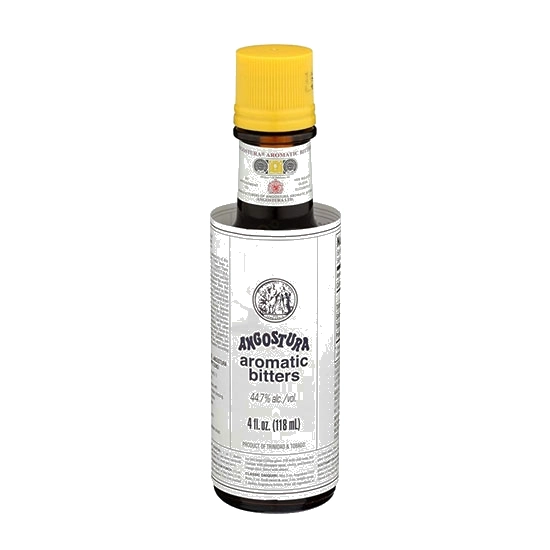 FeaturedAngosturaAromatic Bitter4 OZ$10.99Add to cart
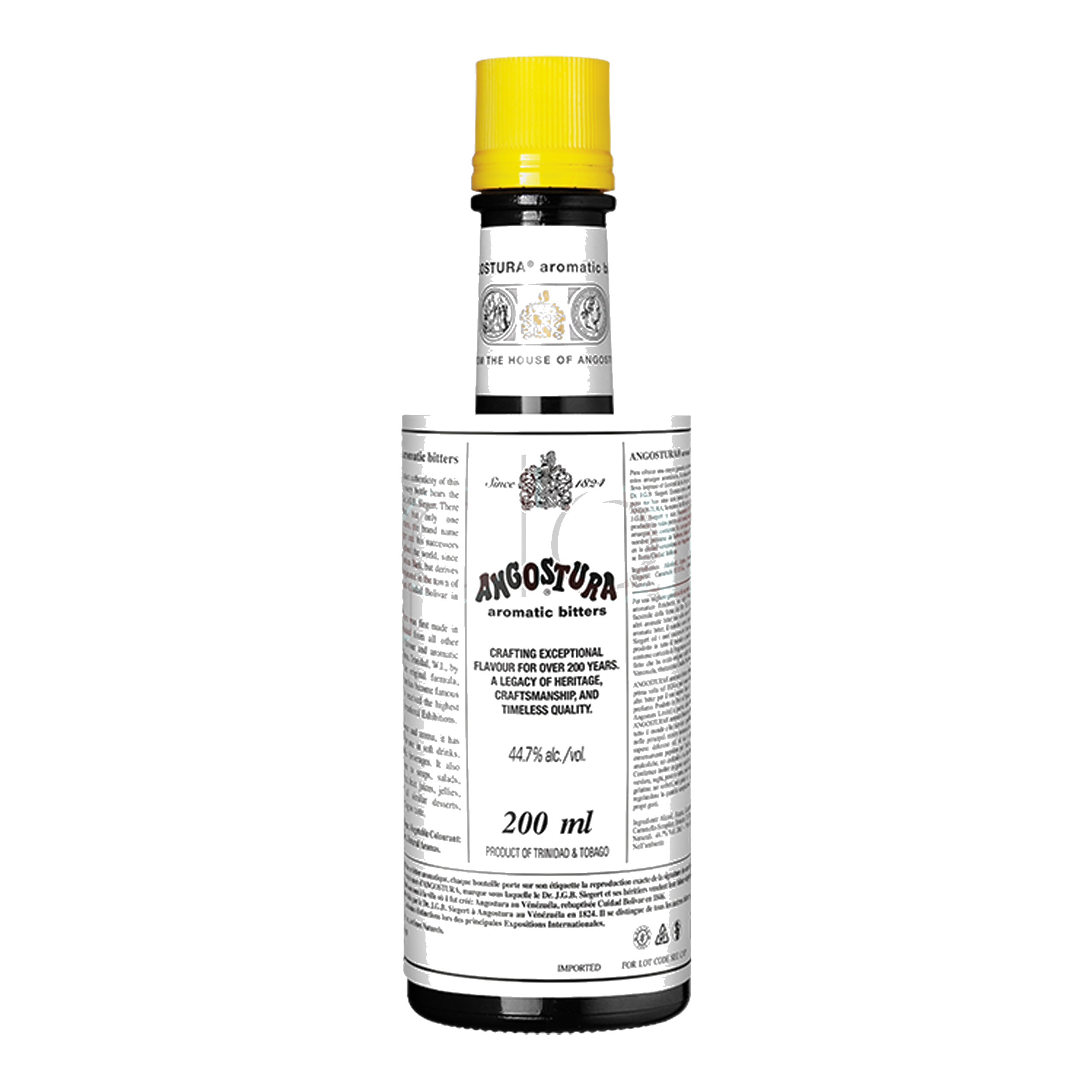 FeaturedAngosturaAromatic Bitters50 ML$5.99Add to cart
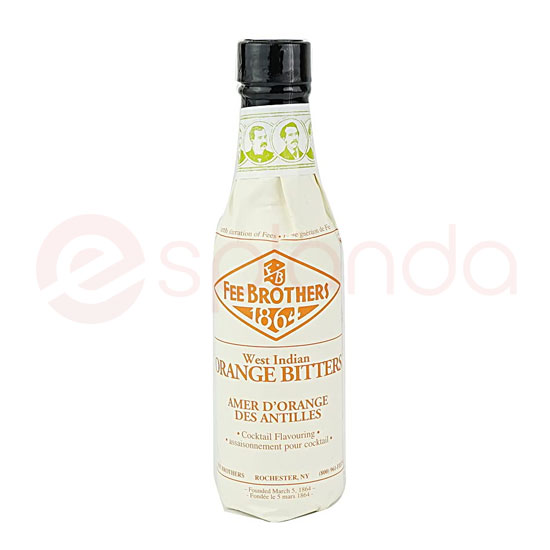 FeaturedFEE BROTHERSOrange Bitters5 OZ$9.99Add to cart
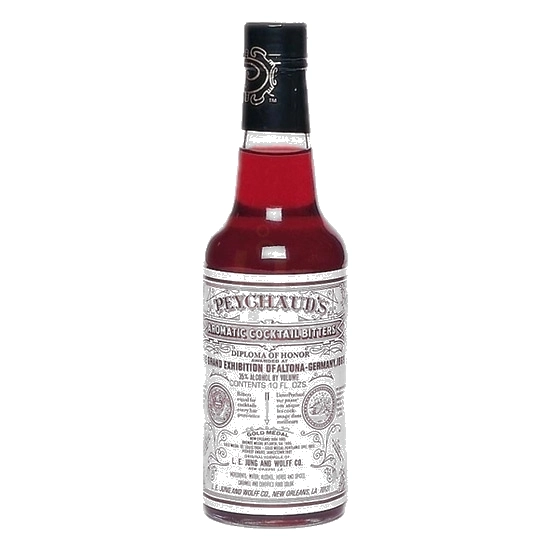 FeaturedPEYCHAUDSBitters148 ML$5.99Add to cart
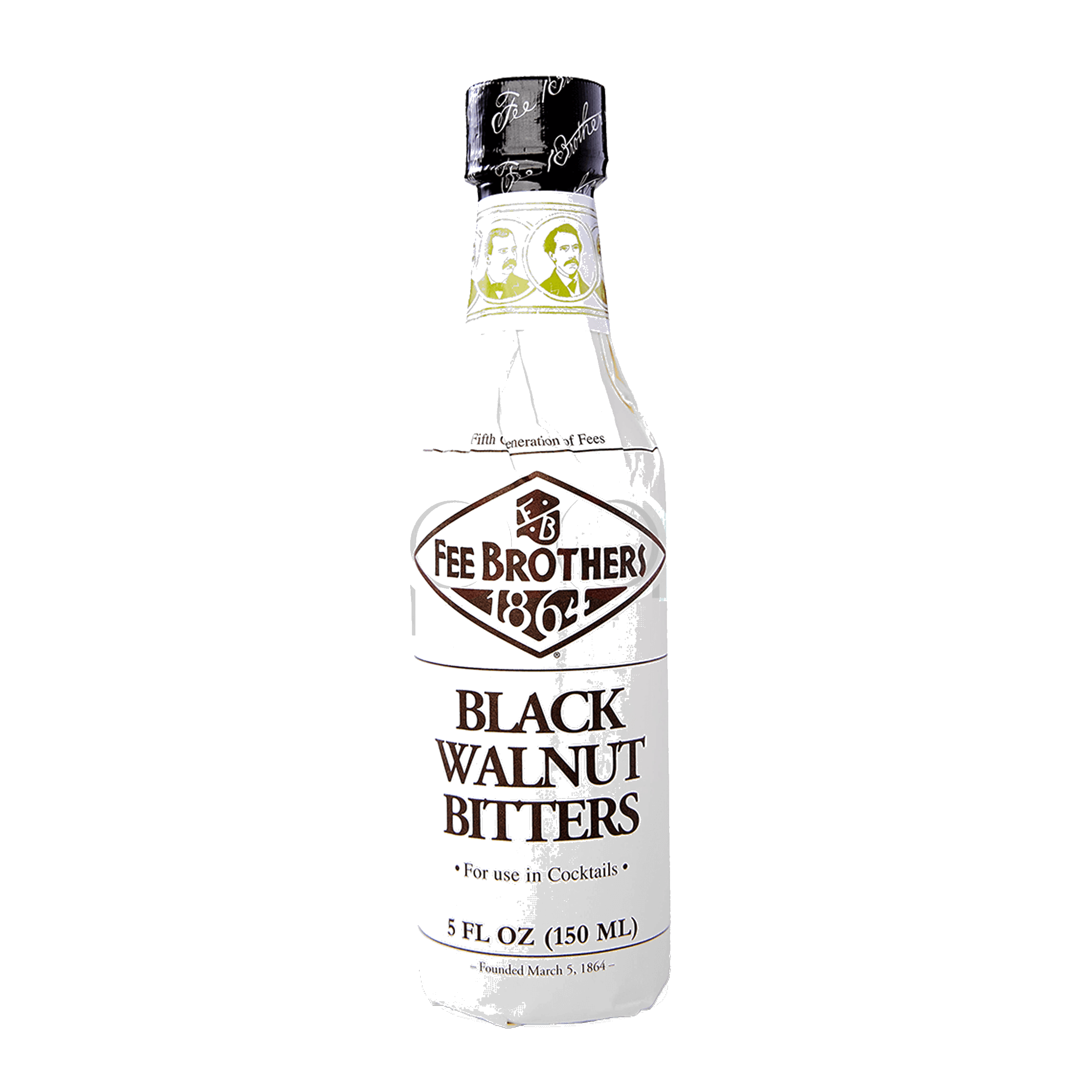 FeaturedFEE BROTHERSBlack Walnut Bitter5 OZ$9.99Add to cart
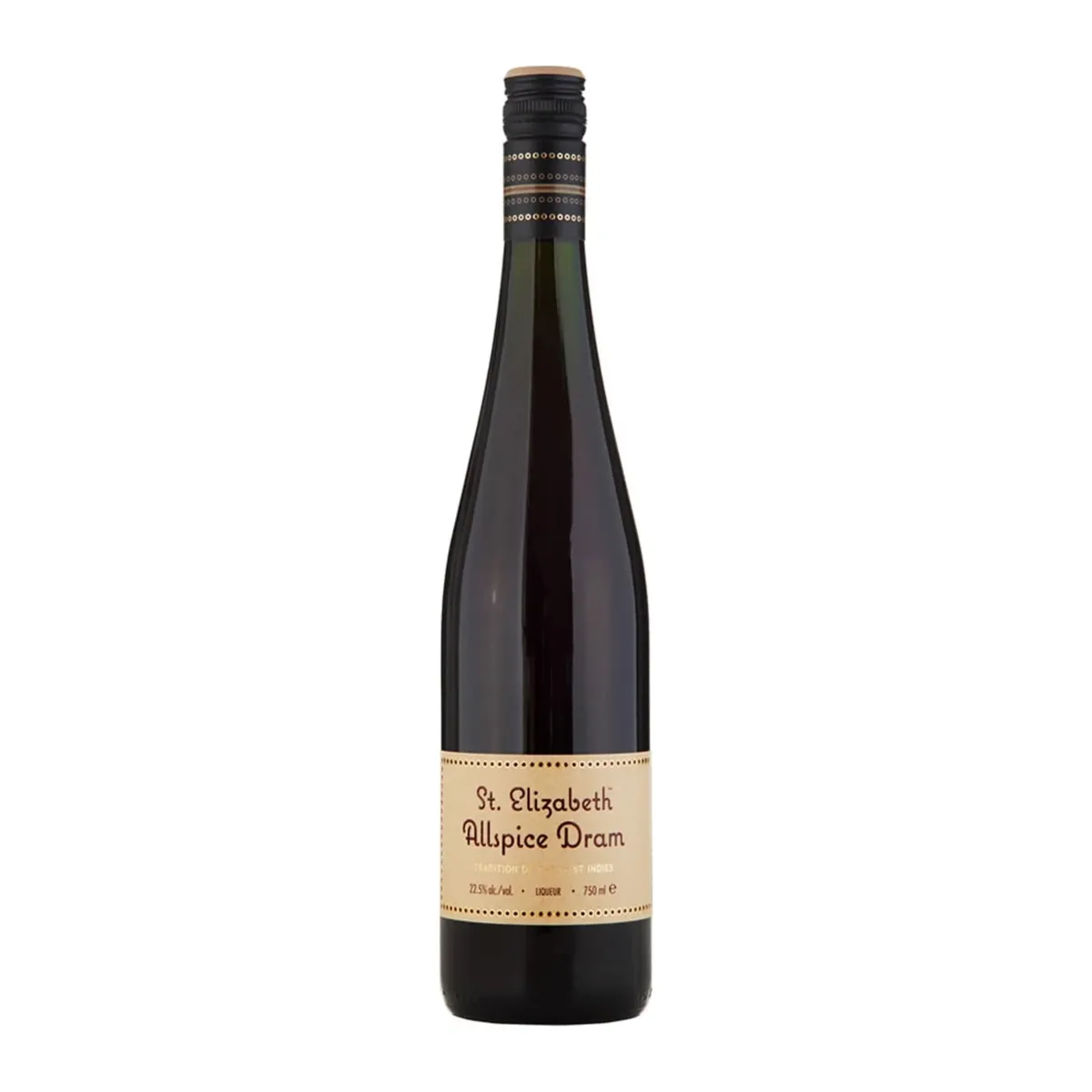 FeaturedSt. ElizabethAllspice Dram750 ML$29.99Add to cart
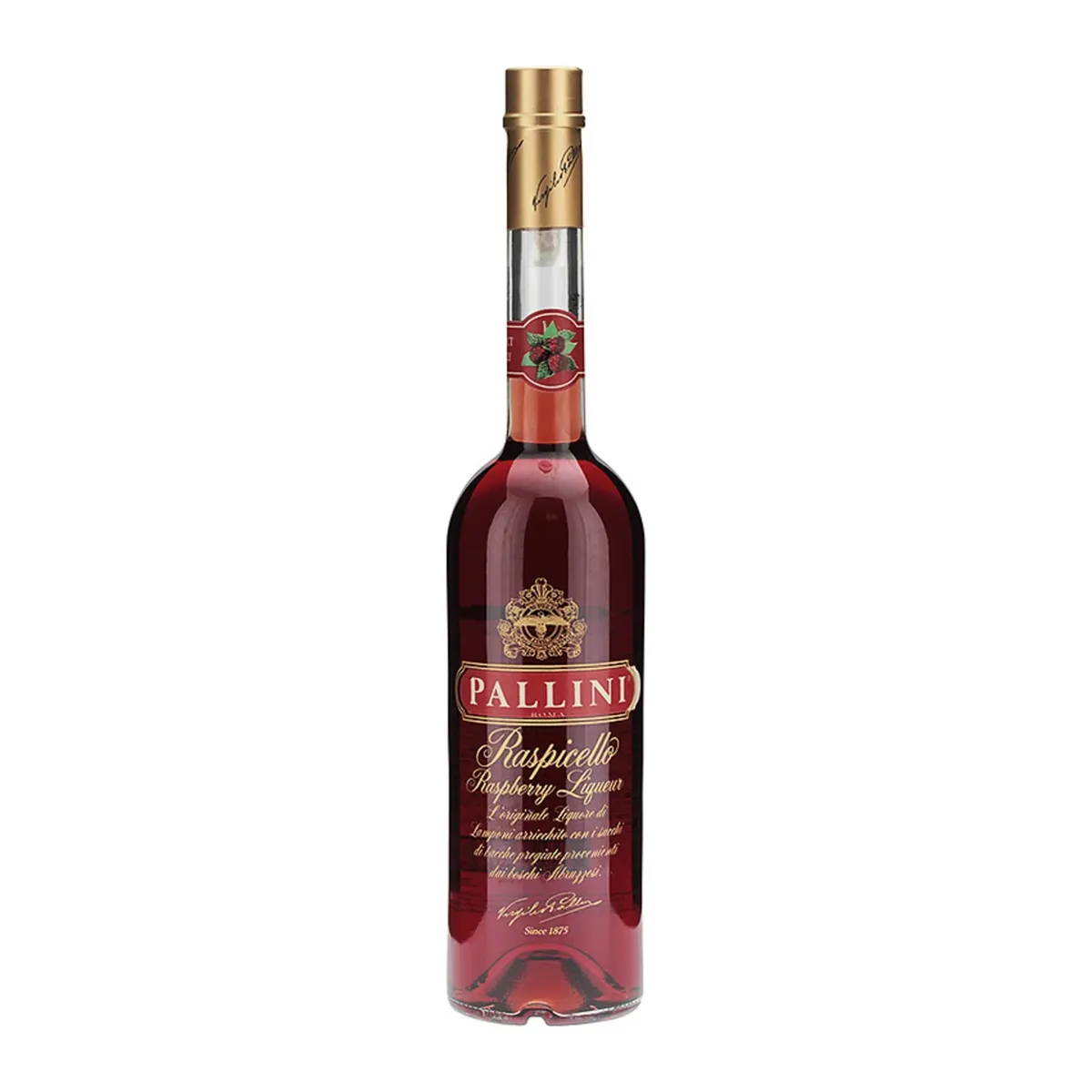 PALLINIRaspicello750 ML$24.99Add to cart
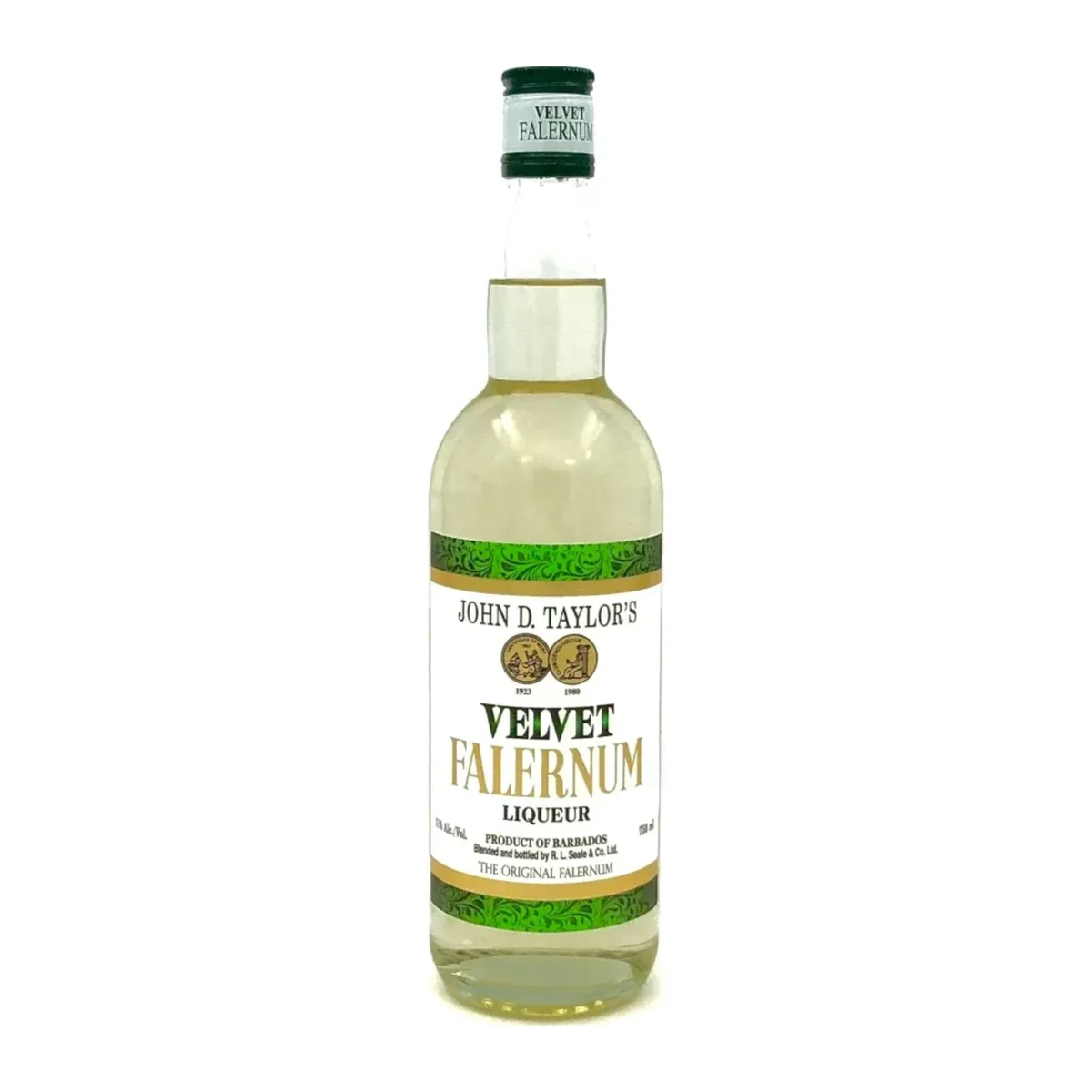 Taylor'sVelvet Falernum Liqueur750 ML$19.99Add to cart
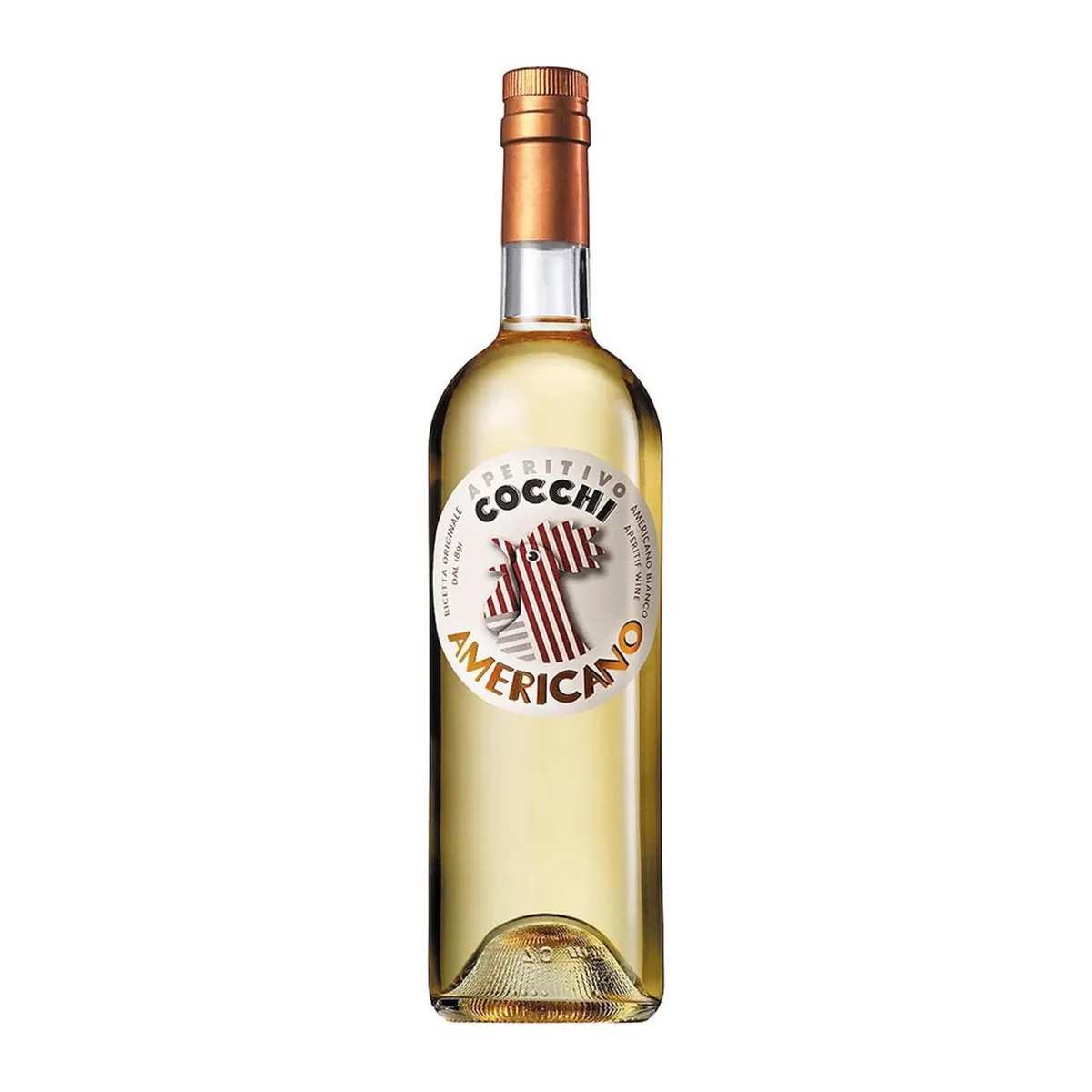 CocchiAmericano Bianco Aperitivo750 ML$24.99Add to cart
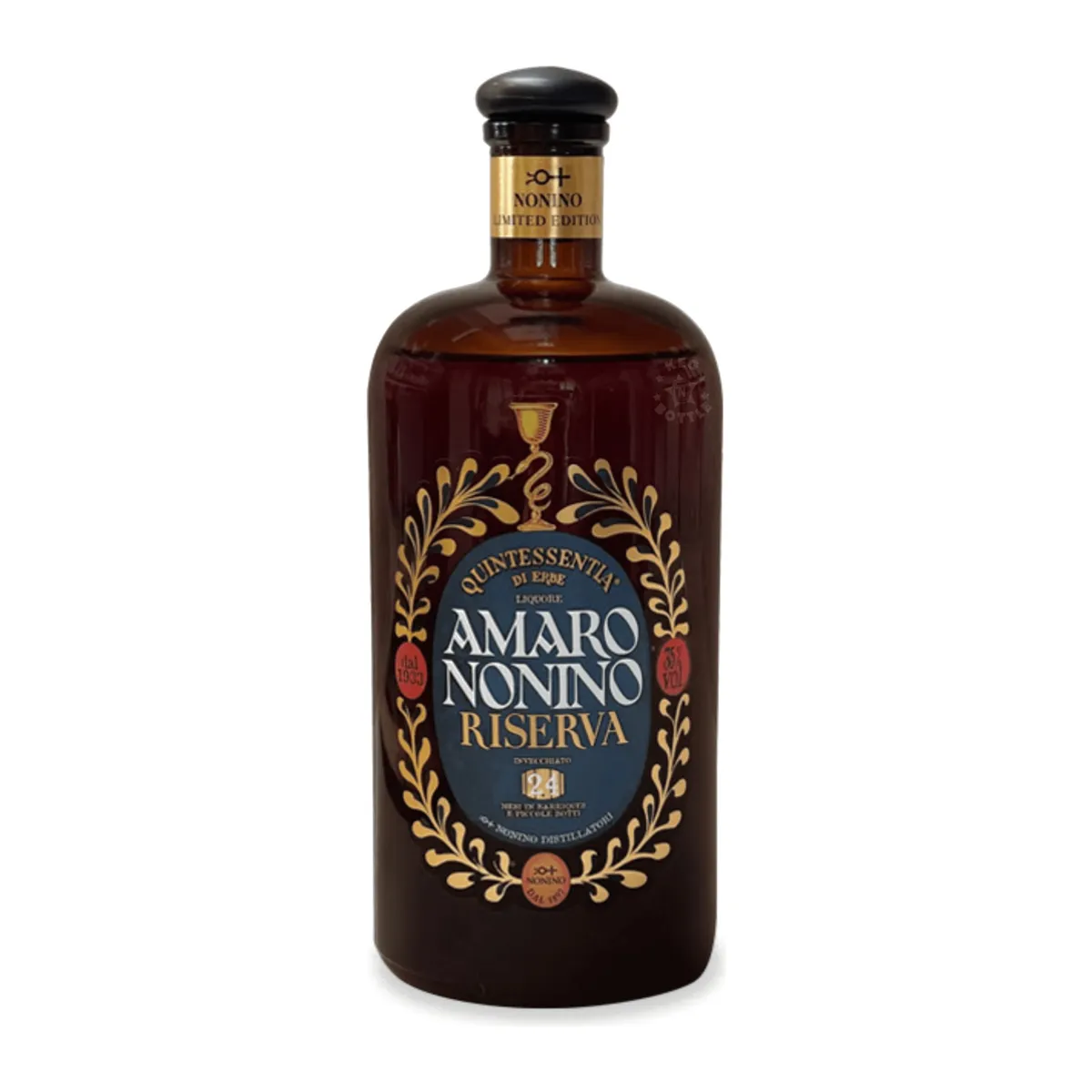 NoninoRiserva Amaro750 ML$71.99Add to cart
Bitters are a concentrated flavoring made by steeping bitter and aromatic botanicals in high-proof alcohol, and you add them to drinks a dash at a time. At CBC Liquors in Westford, the bitters shelf runs from classic aromatic bottles to orange, walnut and New Orleans styles, and this guide explains what each one does.
What are bitters, exactly?
Bitters are a flavoring, not a drink you pour by the glass. A maker steeps bitter and aromatic botanicals in high-proof alcohol, then bottles the result. Gentian root, cinchona bark, citrus peel, cinnamon, clove and cardamom are common ingredients, though every maker keeps its own recipe.
The bottle is small because the liquid is strong. A dash from the bottle is often enough to change a whole drink. You can see the full range on our bitters page.
Think of bitters the way you think of salt in a meal. They don't add a flavor of their own so much as pull the other flavors into balance. That is why a spirit, a little sugar and a few drops can taste like a finished cocktail.
Bitters are used in drops, not measured in ounces, so a single bottle can last through many drinks at home.
Which bitters should you buy first?
If you buy only one bottle, make it Angostura Aromatic Bitter. Its spiced, slightly herbal profile is what most classic recipes mean when they just say "bitters". It goes into whiskey drinks, rum drinks and plenty of others, so it rarely sits unused.
We also carry Angostura Aromatic Bitters if you want to compare the listings side by side.
Your second bottle depends on what you drink. If you lean toward citrus and gin, orange bitters is the natural pick. If you make drinks with New Orleans roots, you want a different style, covered below.
Start with one bottle and learn what a dash does before you collect more. Each new bottle then adds something you can actually taste.
What do orange bitters do in a drink?
Orange bitters bring bright citrus peel and a gentle bitterness without making the drink taste like orange juice. They are a classic partner for gin, where they sharpen the botanical flavors and add a dry, zesty edge.
A bottle like Fee Brothers Orange Bitters works in a dry martini, in a gin and tonic if you want something more layered, and in whiskey drinks where you'd like a lighter citrus note than aromatic bitters gives. If you are building drinks around gin, this is the bottle to reach for.
Two or three dashes is a sensible place to begin. Taste, then adjust the next drink, not the one in your hand.
What are Peychaud's bitters used for?
Peychaud's Bitters come from New Orleans and taste lighter and more floral than aromatic bitters, with a distinct anise note and a reddish color. They are the traditional ingredient in a Sazerac, the New Orleans cocktail built on rye whiskey or cognac, a sugar cube, and a rinse of absinthe.
If you want to try one, pick up a bottle of rye, add a few dashes of Peychaud's and a little sugar, and stir over ice. The result is dry, spicy and fragrant.
Peychaud's also works in a Manhattan alongside aromatic bitters, which shows you how the two differ. Using both in one drink is common practice, not a mistake.
Which bitters go in an Old Fashioned?
Aromatic bitters is the standard choice. An Old Fashioned is the clearest answer to why bitters matter: it is whiskey, a little sugar and bitters, stirred over ice, and the bitters are what stop it from tasting like sweetened whiskey.
Bourbon is the usual base. If you are shopping for one, our bourbon section is the place to look. A couple of dashes of aromatic bitters, a sugar cube or a small spoon of simple syrup, a splash of water and a twist of orange peel is all the recipe needs.
Once you have the basic version down, change one thing at a time. Swap in orange bitters for one dash, or try Fee Brothers Black Walnut Bitter, which adds a dry, nutty, woody note that suits aged spirits. Small changes teach you what each bottle does.
What is allspice dram, and is it the same as bitters?
Allspice dram is not bitters. It is a rum-based liqueur flavored with allspice, also called pimento, and it tastes warm and peppery with a hint of clove and cinnamon. It shows up in tiki-style drinks and in some winter cocktails, usually in small amounts.
St. Elizabeth Allspice Dram is the bottle we carry for this. It pairs well with aromatic bitters, since both lean on baking spices.
It sits in the wider liqueur family, which is a good place to browse if you want to explore herbal and spiced bottles beyond cocktail bitters.
What is the difference between bitters and amaro?
Cocktail bitters are used by the dash. Amaro is an Italian bitter liqueur that you pour in measured amounts, sip on its own over ice, or use as a main ingredient in a cocktail. People often mix the two up because both taste bitter.
In short, bitters season a drink and amaro is a drink. If a recipe calls for a dash, you want bitters. If it calls for an ounce, you want a liqueur.
Because bitters are so concentrated, a bottle is far smaller than a bottle of liqueur, and the two are not interchangeable in a recipe.
How do you store and use a bottle of bitters?
Keep bitters in a cool, dark spot with the cap on, and they will hold their flavor for a long time. Because they are high in alcohol, they don't spoil the way a juice or a mixer would. Most bottles have a dasher top, so you can shake out a small amount without pouring too much.
If you are new to it, shake the bottle into a spoon or the back of your hand first so you can see how much comes out. Then add to the glass.
It is easy to add too much and impossible to take it back, so build up one dash at a time. If you are stocking a home bar, our mixers page covers the other half of most of these drinks.
Where can you buy bitters from CBC Liquors in Westford?
You can walk into CBC Liquors at 142 Littleton Rd, Westford. We are open Monday to Thursday 8:00 AM to 9:00 PM, Friday and Saturday 8:00 AM to 10:00 PM, and Sunday 10:00 AM to 8:00 PM.
Besides walking in, we offer pickup, delivery and shipping. Our delivery areas page shows the towns we serve around Westford.
The shop is rated above 4.5 out of 5 on Google from more than 300 reviews, and we have more than 4,500 products and more than 1,900 brands on the shelves, so bitters sit alongside the spirits they go with.
Common questions
What are bitters?
Bitters are a concentrated flavoring made by steeping bitter and aromatic botanicals in high-proof alcohol. You add them to drinks a dash at a time.
Which bitters should I buy first?
Aromatic bitters, such as Angostura, is the usual first bottle. Most classic recipes that call for "bitters" mean this style.
Which bitters are used in a Sazerac?
Peychaud's Bitters is the traditional choice. It is a New Orleans style with a lighter, floral, anise-leaning flavor.
Is allspice dram the same as bitters?
No. Allspice dram is a rum-based liqueur flavored with allspice, and it is used in larger amounts than bitters.
How do you store bitters?
Keep the bottle capped in a cool, dark place. The high alcohol content means bitters hold their flavor for a long time.