A single malt Scotch whisky is made at one distillery in Scotland from malted barley and water, and aged at least three years in oak. If you are choosing a bottle, start with the region and the age statement on the label. If you want to see how the same idea works outside Scotland, browse our Indian single malt whisky alongside the Scotch shelf at CBC Liquors on Littleton Rd in Westford.
What makes a whisky a single malt Scotch?
Each word in the name carries a rule. "Single" means every drop in the bottle came from one distillery, though it can be a blend of many casks from that distillery. "Malt" means the grain is malted barley and nothing else. "Scotch" means it was made and aged in Scotland, in oak casks, for at least three years.
The whisky is distilled in copper pot stills, in batches, rather than in the continuous column stills used for most grain whisky. Pot stills tend to leave more flavor in the spirit, which is a large part of why single malts have such a recognizable character.
By law, Scotch whisky is bottled at no less than 40 percent alcohol by volume. Many single malts are bottled at 43, 46 or higher, and some are bottled at cask strength with no water added to bring them down.
If you want to browse the whole family, the whiskey section is the place to start, and the Scotch page narrows it to bottles from Scotland.
How is single malt different from blended Scotch?
A blended Scotch combines malt whisky from several distilleries with grain whisky, which is lighter and made from grains such as wheat or corn. The blender's job is consistency: the same bottle should taste the same year after year.
A single malt shows you one distillery's house style. That can mean more variation from one bottle to the next, and it is the reason people who enjoy one single malt often enjoy comparing it with another.
Neither is better in any absolute sense. Blends are often easy to mix into a highball or a cocktail, while single malts are more often sipped on their own. Pick based on how you plan to drink it.
You may also see "single grain" Scotch. That is grain whisky from one distillery, and it is a different thing from a single malt, even though the wording is similar.
Indian Single Malt we stock
Our best sellers first. In stock now, at today’s prices. Order online for pickup, delivery or shipping.
What do age statements and cask labels tell you?
An age statement such as 12 Years Old is the age of the youngest whisky in the bottle. Older whisky may be in there too, but nothing younger. Whisky does not keep aging once it is in glass, so a bottle bought today is the age on the label whenever it was filled.
Older does not automatically mean better. Time in oak adds softness, spice and dried fruit notes, and it also takes away some of the fresh grain and fruit character a younger whisky has. Some people prefer the brighter, younger style.
Cask type matters as much as years. Casks that once held American bourbon tend to give vanilla and coconut notes. Casks that once held sherry give dried fruit, nuts and a darker color. Labels such as "double cask" or "finished in" tell you the whisky spent time in a second type of wood.
Labels that say "no age statement" are not a warning sign. The distillery has chosen to blend for flavor rather than for a number.
How do the Scotch regions taste different?
Scotch is usually described by region, and the regions give you a rough map of style, with plenty of exceptions.
Speyside, in the northeast, is known for lighter, fruity and honeyed whiskies, often matured in sherry or bourbon casks. It is where many people start. The Highlands cover a large area and range from rich and malty to dry and spicy. The Lowlands tend toward gentle, grassy and floral whiskies.
Islay, a small island off the west coast, is known for smoky, briny whiskies. Campbeltown and the other islands have their own styles, often with a salty, oily or lightly smoky character.
Use these as hints, not rules. Two distilleries in the same region can taste very different, and the cask used often changes the whisky more than the map does.
What does peated mean, and will you like it?
Peat is partly decayed plant matter, cut from boggy ground and burned in the kiln to dry the malted barley. The smoke settles on the grain and carries through into the whisky as flavors such as campfire, smoked tea, medicinal notes or sea air.
Peated whisky is a matter of taste, and it is not a sign of quality either way. Some people love it from the first sip and others find it too strong. Many single malts use little or no peat and taste of fruit, malt and oak instead.
If you do not know which you prefer, start with an unpeated bottle from Speyside or the Highlands. If you want to try smoke, go for a bottle from Islay, or ask for a lightly peated one.
How should you taste and serve single malt?
Use a glass with a narrower mouth, such as a tulip glass or a small snifter, so the aromas collect. A pour of an ounce or two is plenty for tasting.
Smell it first, then take a small sip and let it sit on your tongue before you swallow. Add a few drops of room-temperature water and taste again. Water can open up a whisky, especially one bottled at higher strength.
On the rocks is a matter of preference. Cold dulls aroma, so many people save ice for a milder whisky. Sip at your own pace, with food or water alongside, and never to keep up with anyone else.
Store a bottle upright, out of direct sunlight, at a steady room temperature. Once opened, it will keep for a good while if the cap is closed tightly.
Where does Indian single malt fit in?
Scotland is the best known home of single malt, but the style is made in other countries too, and India is one of them. Indian single malt follows the same basic recipe of malted barley, pot stills and oak, but a warm climate changes how the whisky matures. Casks age faster in the heat, so a younger Indian whisky can taste richer and more developed than its age statement would suggest.
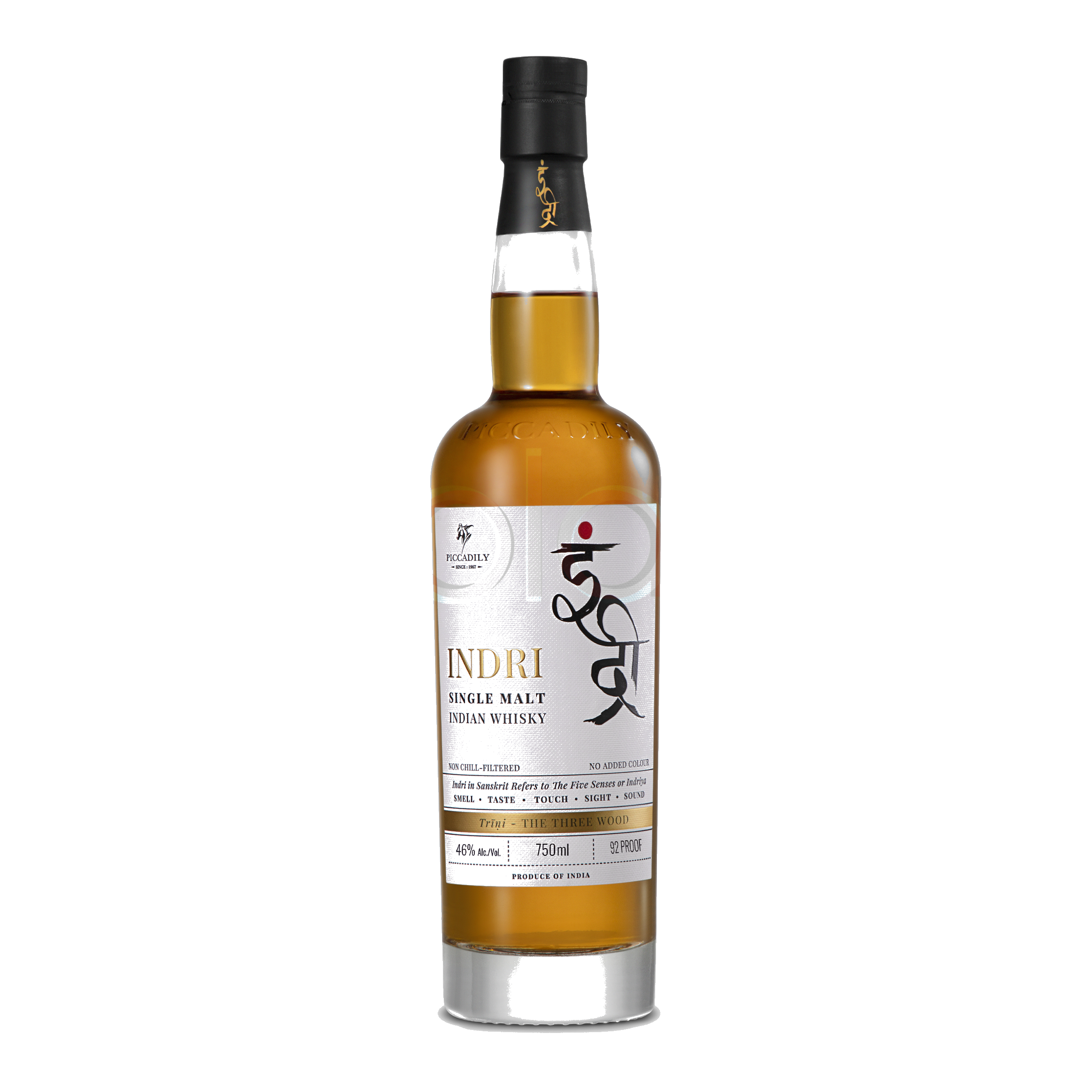
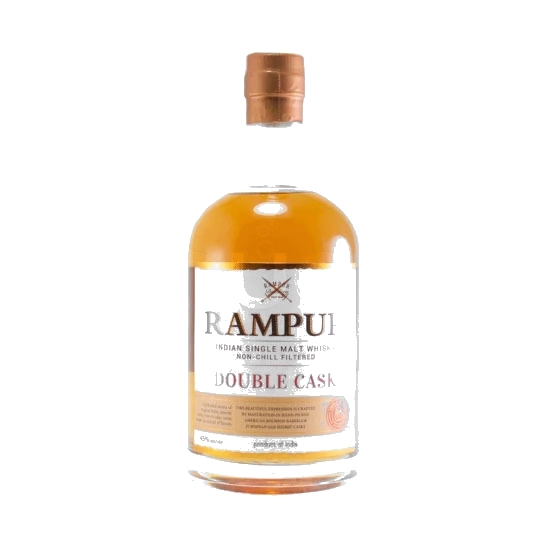
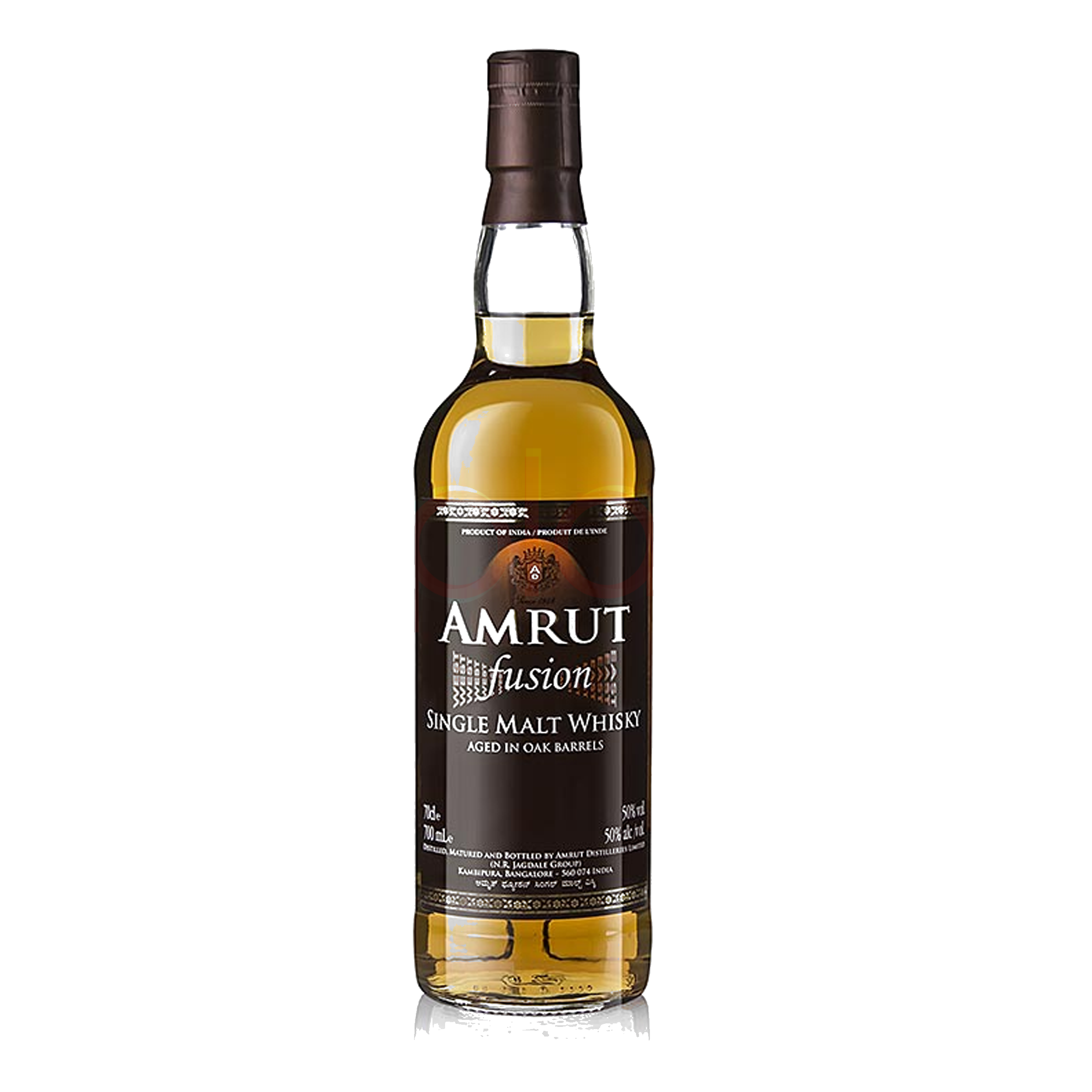
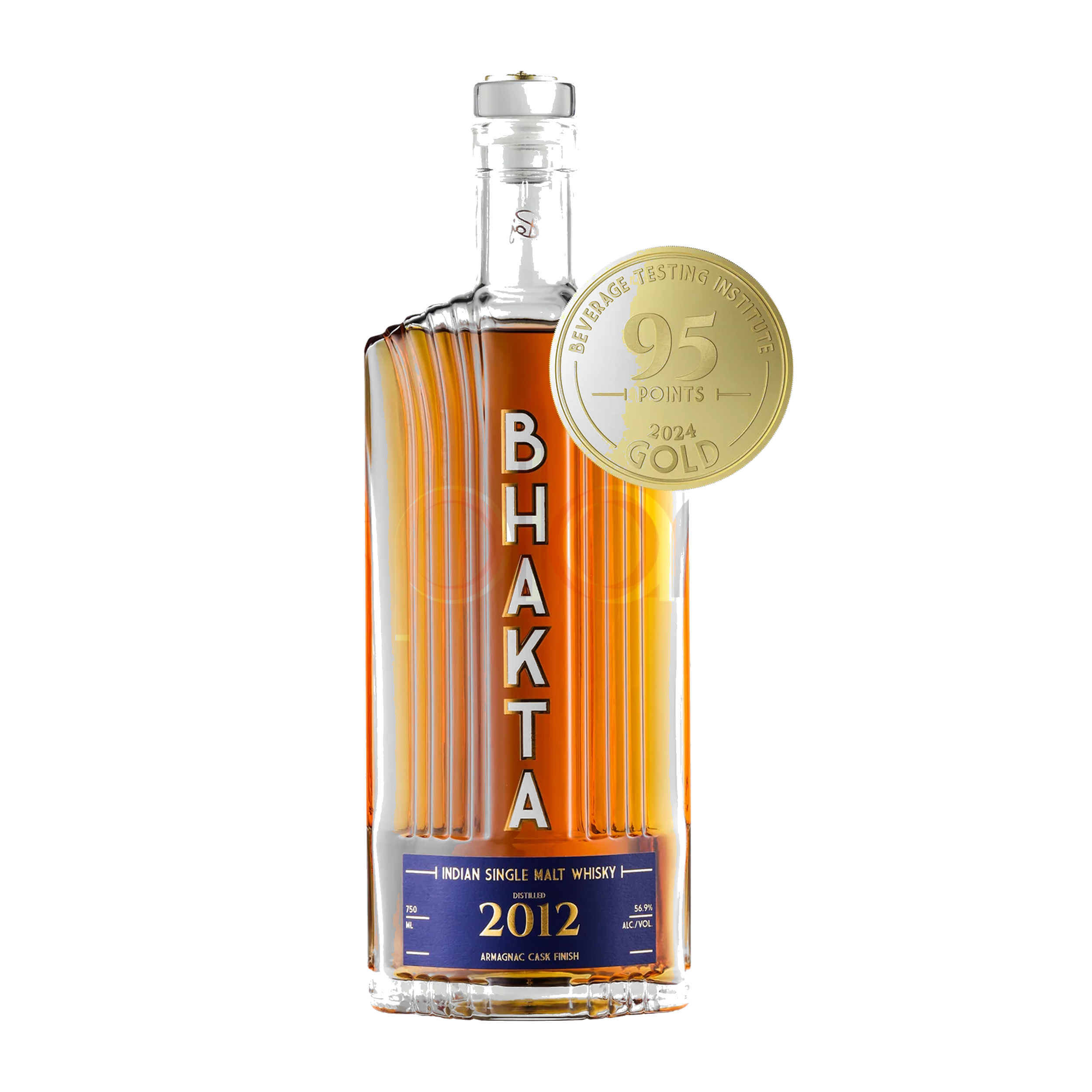
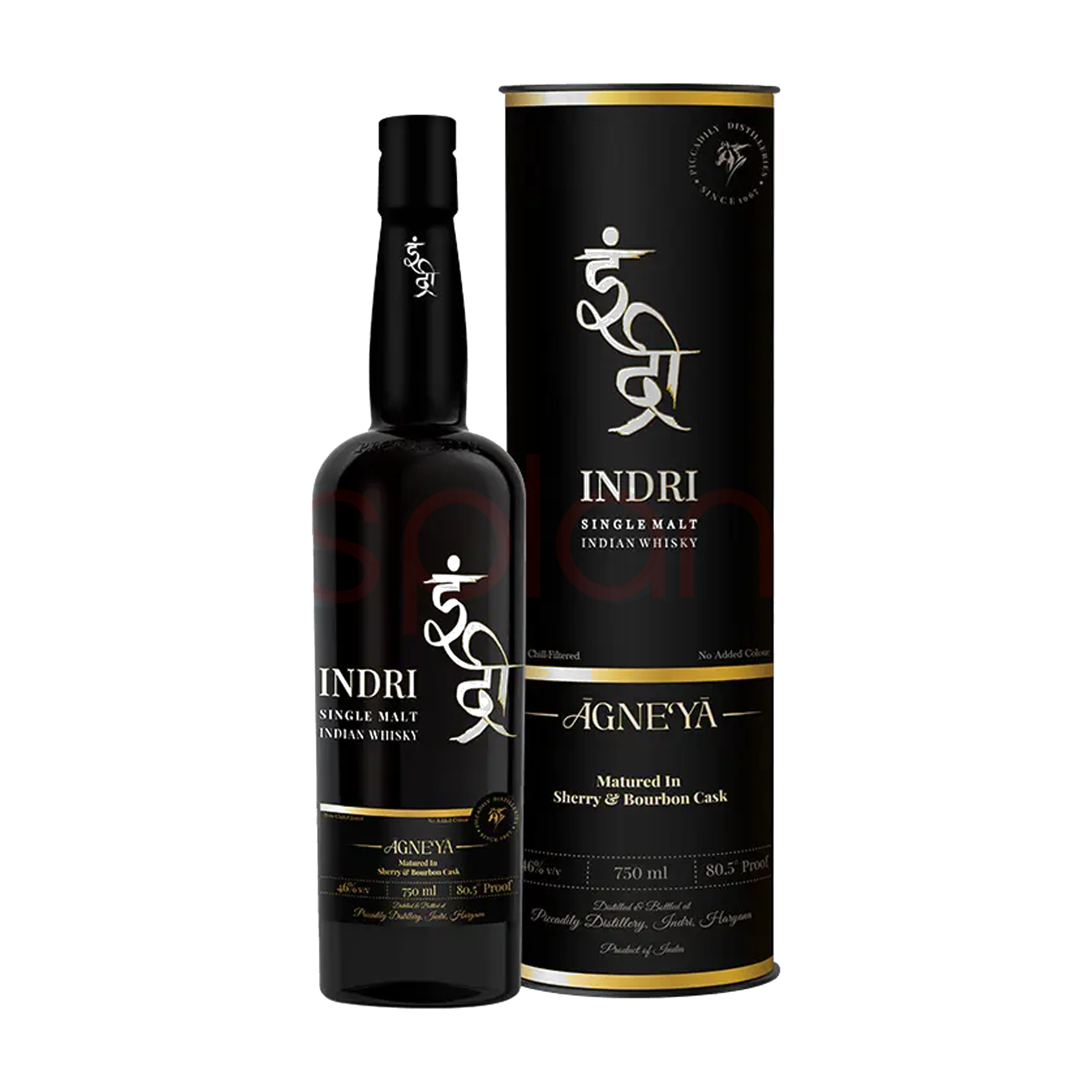
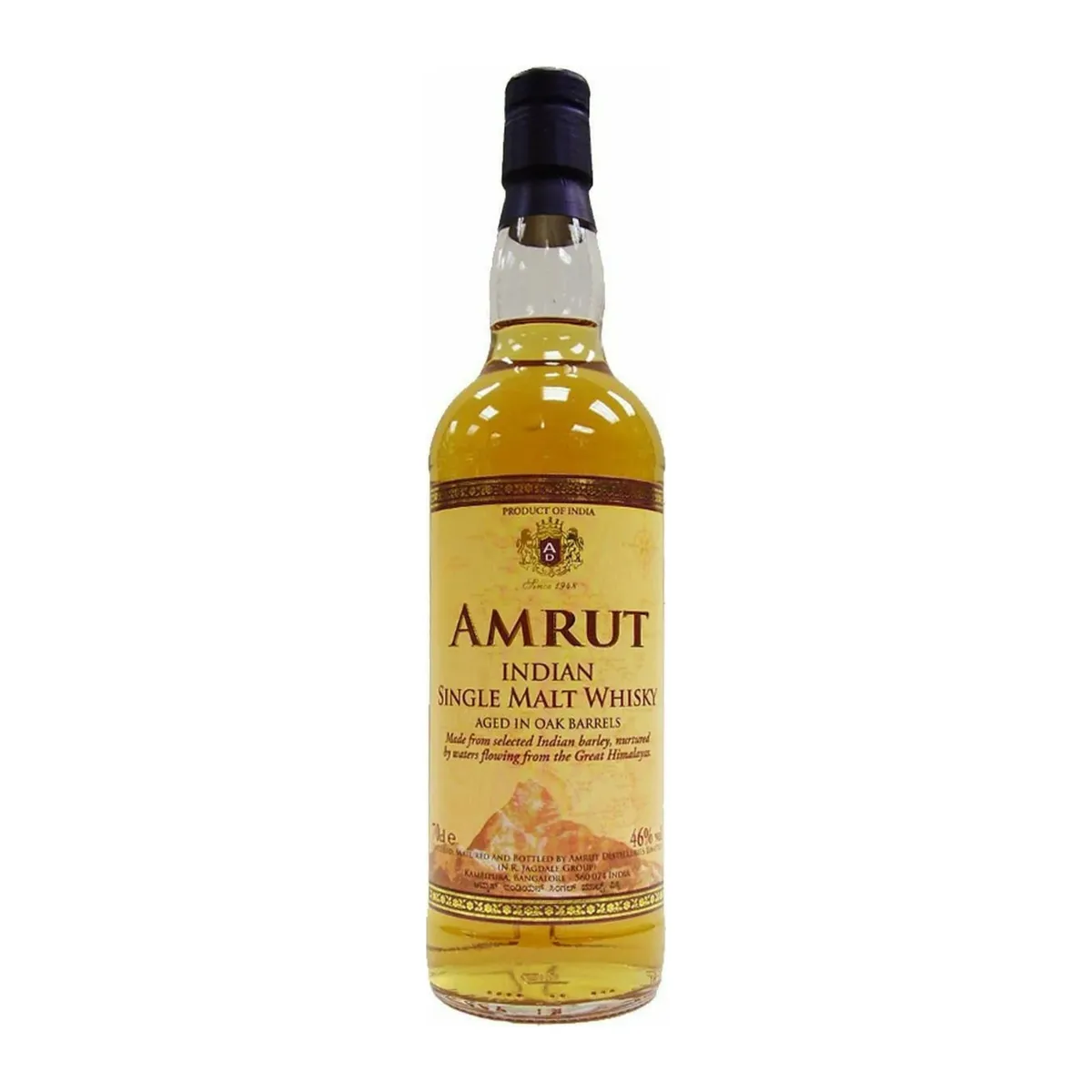
We stock a range in the Indian single malt category, including AMRUT Indian Single Malt, AMRUT Fusion Single Malt, Rampur Double Cask, BHAKTA Indian Single Malt, INDRI Agneya Single Malt and INDRI Trini Single Malt.
If you already like Scotch, they make a good side-by-side comparison. Pour a Speyside and an Indian single malt next to each other and notice what changes. If you prefer the sweeter, oakier profile of American whiskey, the bourbon section is worth a look too.
How do you choose your first bottle?
Start with what you already enjoy. If you like fruit and sweetness, look to Speyside or a sherry-cask single malt. If you like spice and oak, look at bourbon-cask Highland whiskies or an Indian single malt. If you like smoke, try Islay.
A 12-year-old is a sensible place to start for most people, since it shows the distillery's style clearly. After that, you can move toward older bottles, cask-strength bottles or different regions, one change at a time, so you know what you are tasting.
Buying a bottle as a gift works the same way. Ask what the person already drinks, and choose something close to it with one difference, such as a different region or cask.
If you are not sure, ask. Tell the person at the counter what you usually drink and what the occasion is, and they can point you to something on the shelf that fits.
How can you buy single malt from CBC Liquors in Westford?
Our store is at 142 Littleton Rd, Westford, MA 01886. We are open Sunday 10:00 AM to 8:00 PM, Monday to Thursday 10:00 AM to 9:00 PM, and Friday and Saturday 10:00 AM to 10:00 PM. Pickup runs on the same hours.
If you would rather not drive, we also do delivery and shipping. Delivery runs Sunday 10:00 AM to 7:30 PM, Monday to Thursday 10:00 AM to 8:30 PM, and Friday and Saturday 10:00 AM to 9:30 PM. Our delivery areas page lists the towns we serve, including Chelmsford, Acton and Lowell. Our shipping policy explains how shipping works.
CBC Liquors has a 4.7 out of 5 Google rating from 339 reviews. Across the shop we carry 4,624 products from 1,893 brands, so if you are looking for a particular bottle, it is worth checking the Scotch and Indian single malt pages before you come in.
Common questions
What is the difference between single malt and single grain Scotch?
A single malt is made at one distillery from malted barley only, in pot stills. A single grain is also made at one distillery but uses other grains and is usually distilled in column stills.
How old is single malt Scotch at minimum?
By law, Scotch whisky must be aged at least three years in oak casks in Scotland. An age statement on the label shows the age of the youngest whisky in the bottle.
Does single malt whisky keep aging in the bottle?
No. Whisky stops maturing once it is in glass, so a 12-year-old stays a 12-year-old however long the bottle sits on a shelf.
What is peated Scotch?
Peat is partly decayed plant matter that is burned to dry the malted barley. The smoke gives the whisky flavors such as campfire, smoked tea or sea air.
Is Indian single malt made the same way as Scotch?
The basic recipe is the same: malted barley, pot stills and oak casks. India's warmer climate changes how the whisky matures, which affects its flavor.
Can I get single malt from CBC Liquors without coming to the store?
CBC Liquors does pickup, delivery and shipping. Delivery covers the towns listed on our delivery areas page, and shipping details are in our shipping policy.