Mezcal we stock
In stock now, at today’s prices. Order online for pickup, delivery or shipping.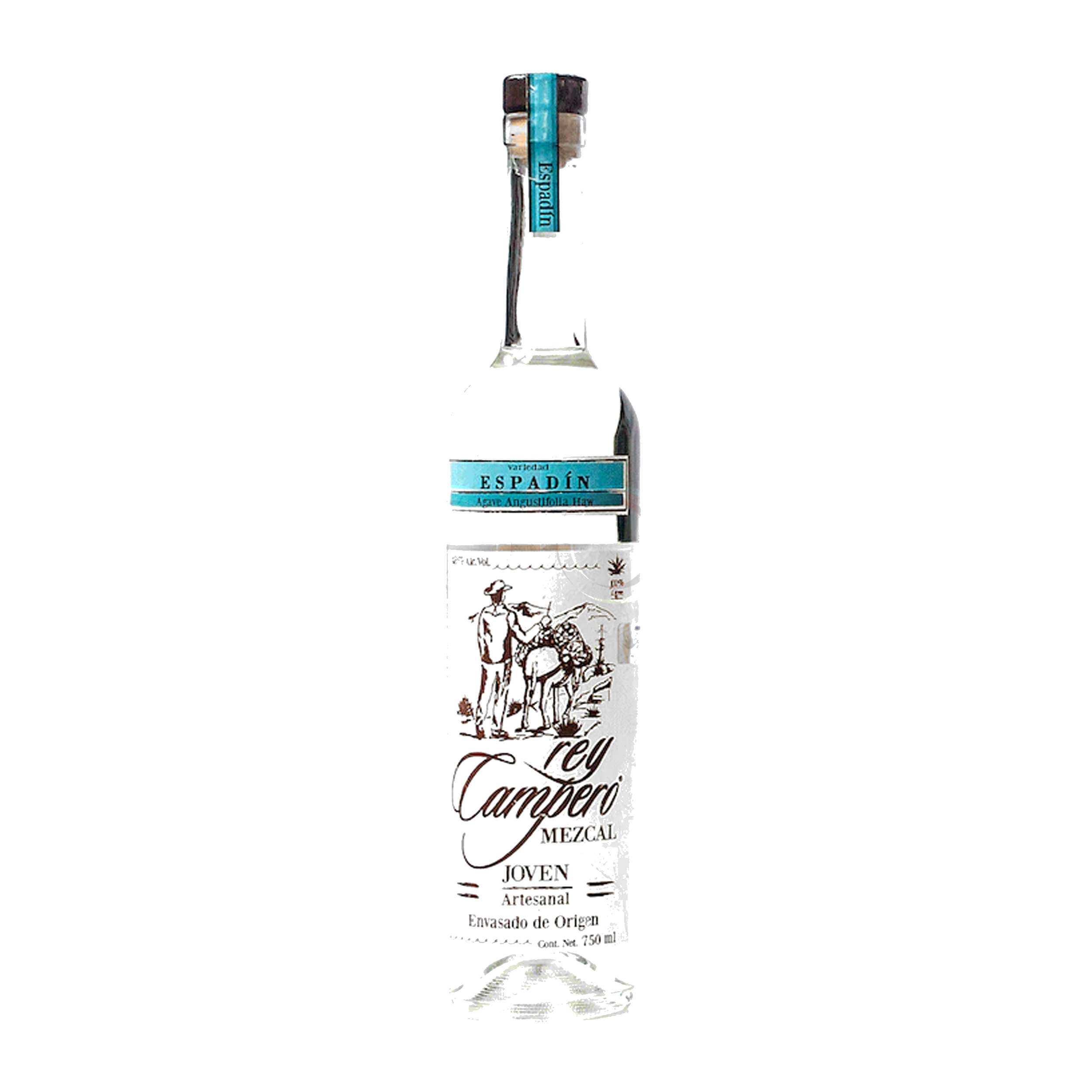 FeaturedREY CAMPEROJoven Espadin Mezcal750 ML$33.99Add to cart
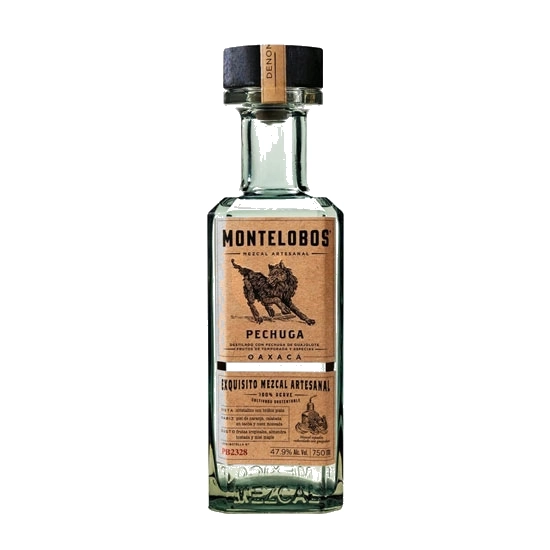 FeaturedMontelobosEspadin Mezcal750 ML$42.99Add to cart
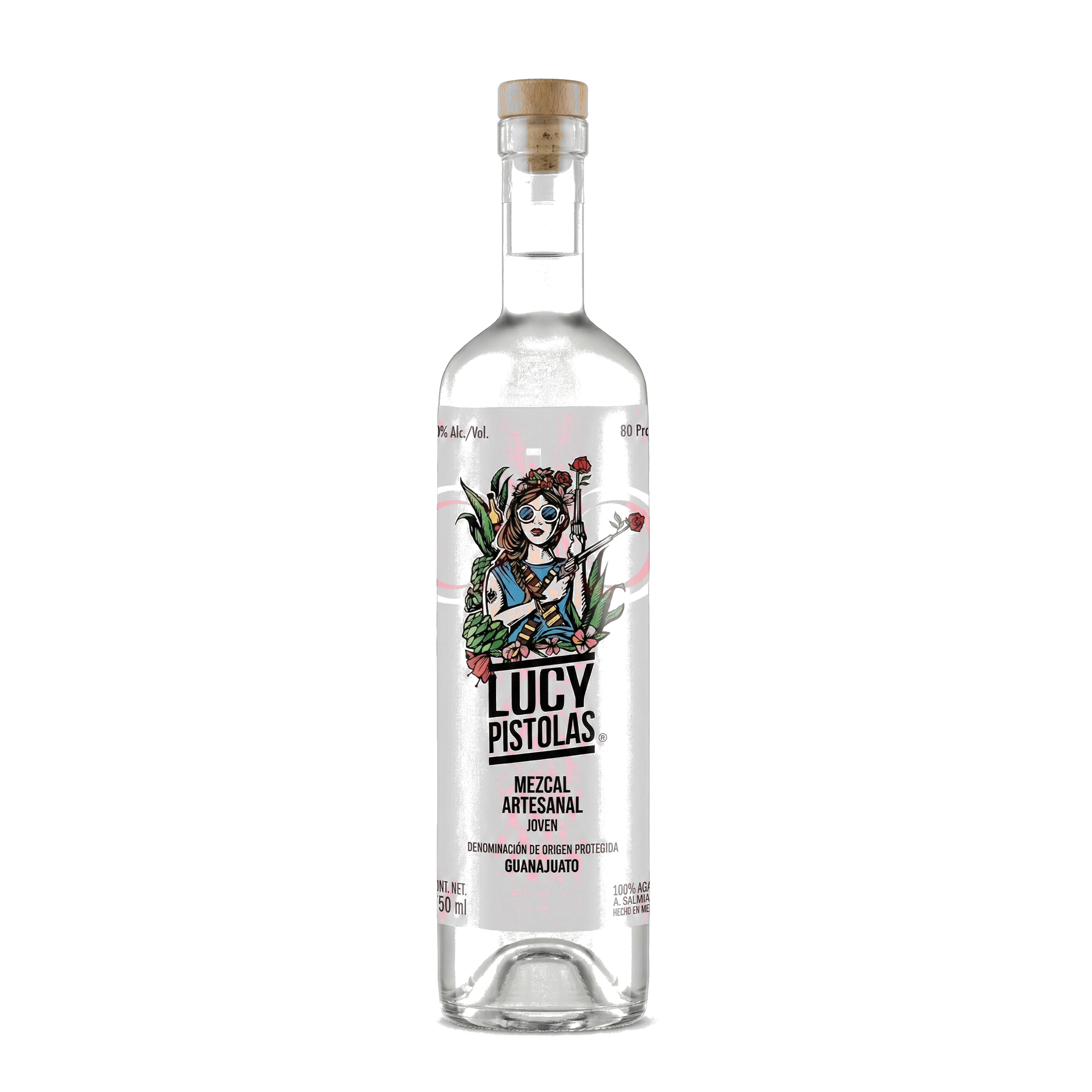 FeaturedLUCY PISTOLASJoven Mezcal750 ML$34.99Add to cart
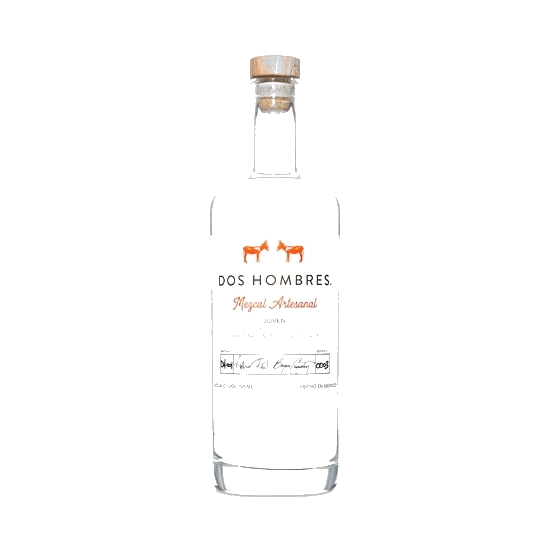 FeaturedDOS HOMBRESMezcal750 ML$49.99Add to cart
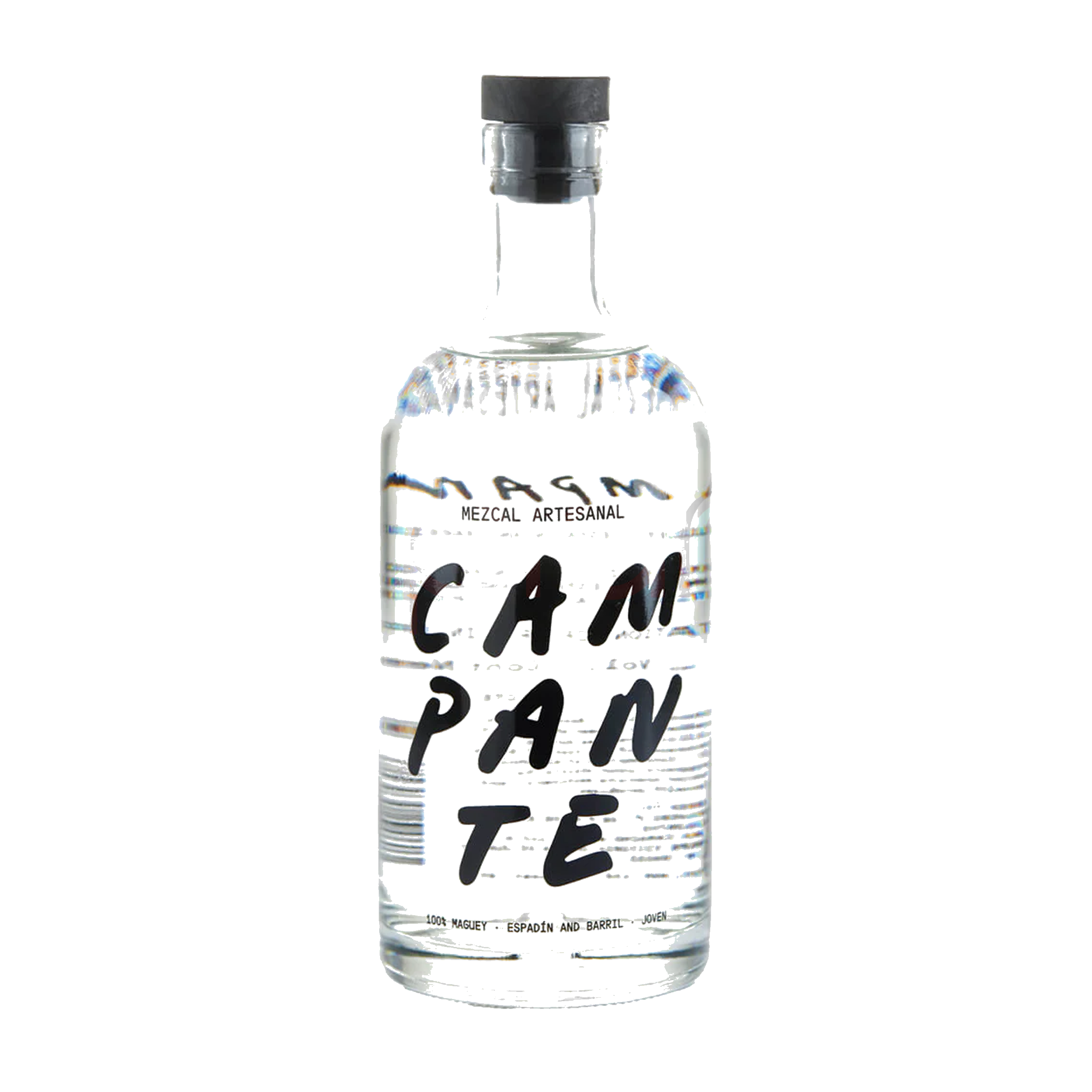 FeaturedCAMPANTEMezcal750 ML$48.99Add to cart
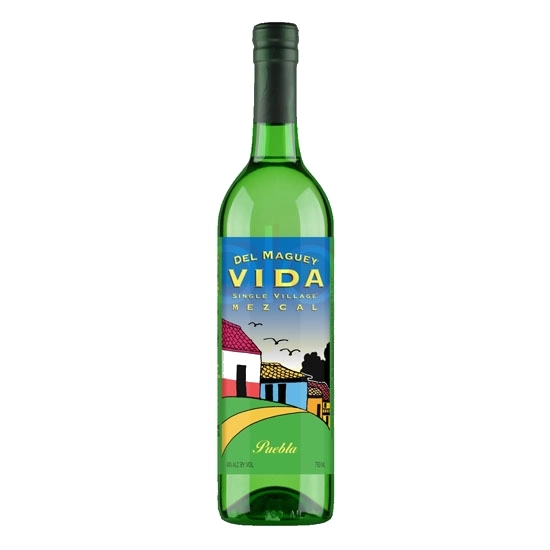 FeaturedDel MagueyVida Puebla750 ML$32.99Add to cart
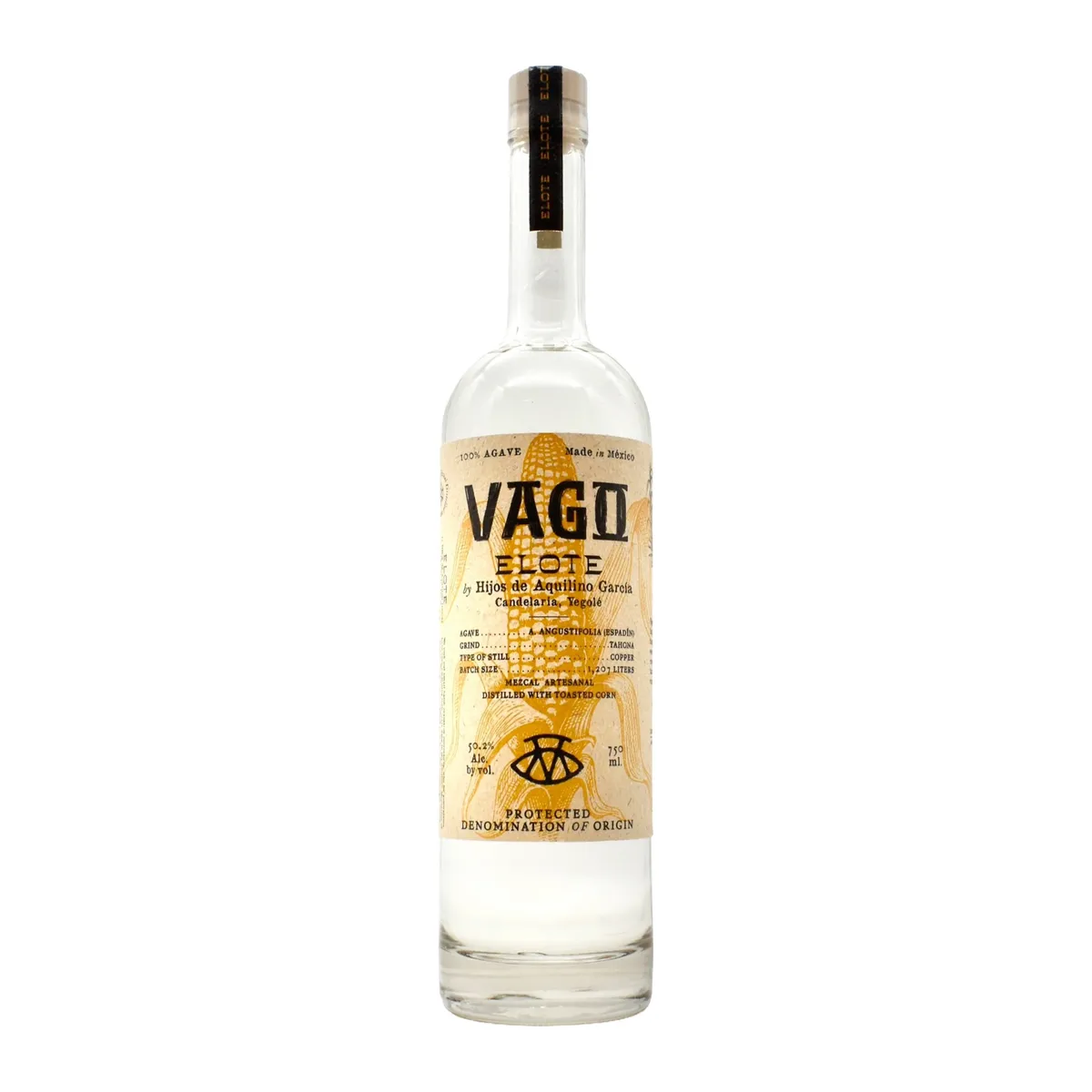 Vago EloteMezcal750 ML$48.99Add to cart
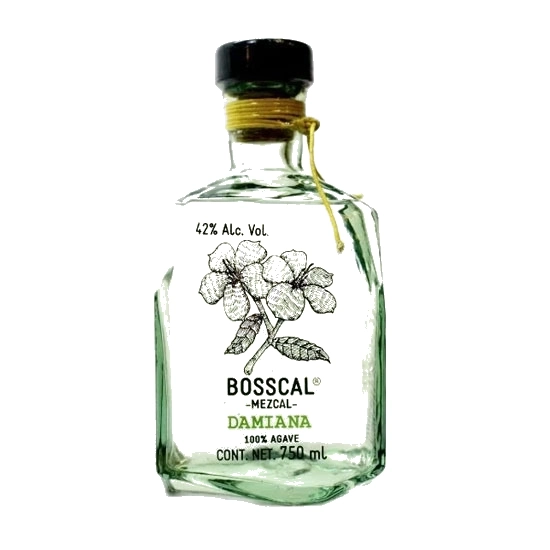 BOSSCALDamiana750 ML$49.99Add to cart
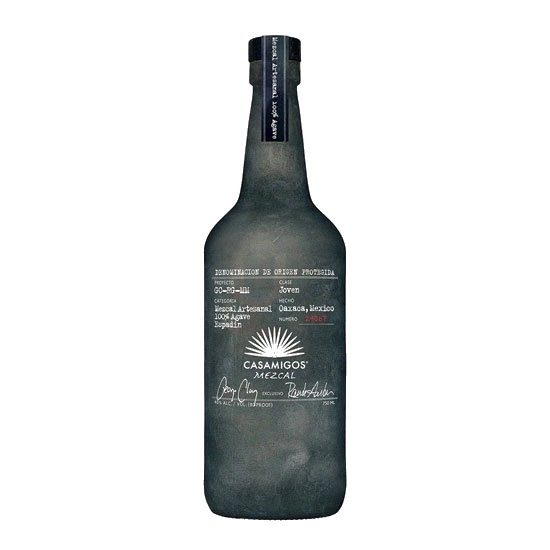 CASAMIGOSMezcal Joven1 Liter$69.99Add to cart
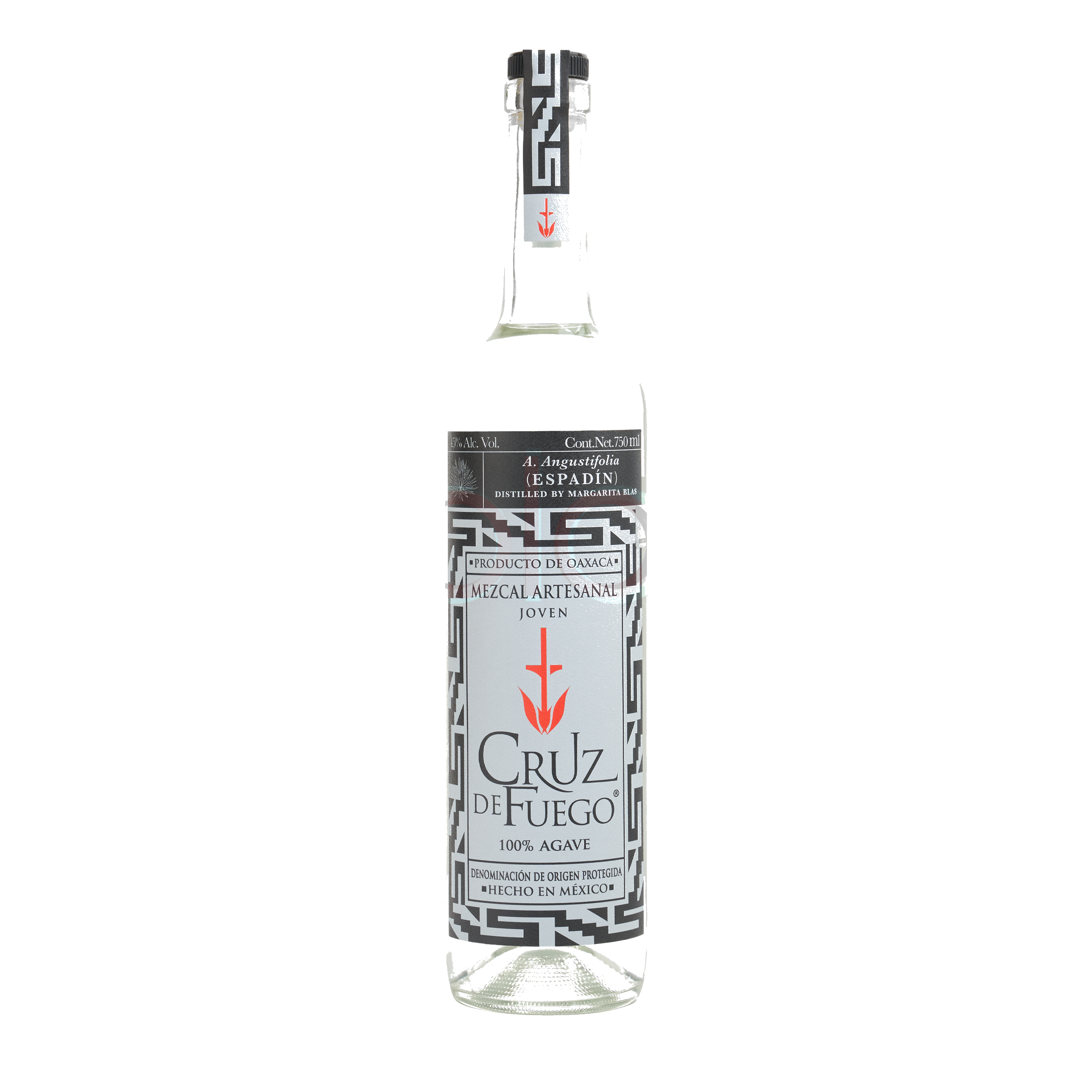 CRUZ FUEGOMezcal750 ML$42.99Add to cart
Mezcal is a Mexican spirit distilled from cooked agave, and it is usually smoky because the agave is roasted before it is crushed and fermented. CBC Liquors in Westford has a mezcal section at 142 Littleton Rd, and this guide covers how mezcal is made, how it tastes and what to look for on a label before you pick a bottle.
What is mezcal?
Mezcal is a spirit made from the agave plant. The word covers any agave spirit made in the traditional way in the regions of Mexico where it is permitted, and most of it comes from the state of Oaxaca.
Tequila is technically one kind of mezcal. When people say mezcal, they mean the broader family, usually with a smoky edge.
The ingredients are short: agave, water and time. The sugars in the cooked agave ferment into alcohol, and distillation turns that into spirit. The smoke comes from the roasting, not from anything added afterward.
At CBC Liquors the mezcal sits under liquor, next to tequila, whiskey, rum and the rest of the spirits.
How is mezcal made?
Mezcal is made by roasting the heart of the agave, crushing it, fermenting the juice and distilling it. The heart is called the piña, and the roasting step is what sets mezcal apart.
Traditionally the piñas are cooked in an earthen pit lined with hot stones and covered over. That slow roast gives the spirit its smoke, along with notes people describe as roasted pepper, citrus peel, earth and sometimes a little sweetness.
The cooked agave is then crushed, left to ferment and distilled. Agave plants take many years to mature, which is part of why a bottle of mezcal carries so much character.
Different makers roast, crush and distill in slightly different ways. That is why two bottles of the same style can taste noticeably different.
What does mezcal taste like?
Mezcal tastes of smoke first, then roasted agave, with pepper, citrus peel and earth behind it. Some bottles lean sweet, and some lean dry and mineral.
The smoke can be a faint hint or a full campfire, depending on the bottle. It is a different kind of smoke from peated Scotch. It is softer, with a green, vegetal note from the plant.
The agave variety changes the picture too. A bottle made from a different agave will usually taste a little different, sometimes more herbal, sometimes more floral.
Give the glass a moment before you sip. The smoke usually comes forward on the nose, and the fruit and spice show up as the spirit warms in your hand.
How is mezcal different from tequila?
Tequila must be made from blue Weber agave, while mezcal can be made from many kinds of agave. Tequila is normally cooked in industrial ovens or autoclaves, which gives a cleaner, softer, often sweeter spirit. Mezcal is traditionally pit roasted, which is why it so often tastes of smoke.
That does not make one better than the other. They are different drinks for different moods. If you like a tequila in a margarita because it is bright and crisp, a mezcal version will taste deeper and rounder. If you enjoy peated Scotch or a smoky barbecue sauce, mezcal may suit you well.
Neither is stronger by rule. Both are commonly bottled at around 40 percent alcohol by volume, and some mezcals are bottled higher. Read the strength on the label.
What do joven, espadín and other words on a mezcal label mean?
Joven means young. A joven mezcal is bottled soon after distillation and has not been aged in wood, so you taste the agave and the smoke rather than barrel flavors.
Other age terms follow the same pattern used for tequila. Reposado is rested in wood for a short time. Añejo is aged for longer, which brings in vanilla and caramel notes. If you want to see how aging changes an agave spirit, the añejo tequila page is a place to look.
Espadín names the type of agave, and it is the one used most often for mezcal. You may also see names such as tobalá or tepeztate, which are other agaves and usually taste different from espadín.
The label may also say how the mezcal was made, with terms such as artesanal or ancestral. These describe traditional methods, and the bottle will tell you which one applies.
Which mezcal bottles does CBC Liquors carry?
We carry several mezcals you can look at on the mezcal page. REY CAMPERO Joven Espadin Mezcal and Montelobos Espadin Mezcal both name their agave right in the title, so they are good bottles for practicing how to read a label.
LUCY PISTOLAS Joven Mezcal names its style in the title. DOS HOMBRES Mezcal, CAMPANTE Mezcal and Del Maguey Vida Puebla round out the group.
The selection changes, so the mezcal page is the place to see what is listed now. The shop as a whole holds more than 4,000 products and more than 1,900 brands.
If you are standing in the shop on Littleton Rd and cannot decide, ask us and we will help you pick one that fits what you plan to make or drink.
How do you drink mezcal, and what cocktails work with it?
Mezcal is traditionally drunk neat, sipped slowly from a small clay cup or a small glass, and it also works in cocktails such as the margarita, the paloma and the old fashioned.
In Oaxaca it is often served with orange slices and a salt blend called sal de gusano, ground with dried agave worm and chile. The orange cuts the smoke and the salt lifts the sweetness. A few drops of water or one large ice cube can open up a strong bottle, but there is no rule.
For a margarita, swap mezcal for tequila. Shake mezcal, lime juice and an orange liqueur, and you get the usual citrus snap with a layer of smoke. A paloma works the same way with grapefruit soda. For a mezcal old fashioned, mezcal stands in for whiskey with a little agave syrup, bitters and an orange peel.
Our mixers page is a place to look for sodas and bottled bases, and the liqueur page is where to look for orange liqueurs. If you are hosting, the party planner can help you work out quantities. Mezcal is often bottled at a higher strength than people expect, so pour sensibly.
Which mezcal is better for sipping and which for mixing?
A joven mezcal is the usual choice for cocktails. Its smoke carries through lime, grapefruit and sweeteners without getting lost, and a shaker would bury subtle aged notes anyway.
For sipping, look for a bottle whose label tells you what you are getting: the agave, the style and the strength. A single-agave bottle such as an espadín lets you taste one plant clearly, and it makes a useful starting point before you try others.
Start with how you plan to use the bottle. If you want one mezcal for both, a joven is the flexible pick.
If you are unsure, tell us what you plan to make or whether you want to sip it, and we will point you to a bottle on the mezcal page.
Can you get mezcal from CBC Liquors by pickup or delivery?
CBC Liquors offers pickup, delivery and shipping as well as walking in. CBC Liquors has a Google rating above 4.5 out of 5 from more than 300 reviews.
Store hours: Sunday 10:00 AM to 8:00 PM, Monday to Thursday 8:00 AM to 9:00 PM, and Friday and Saturday 8:00 AM to 10:00 PM.
Pickup hours: Sunday 10:00 AM to 8:00 PM, Monday to Thursday 10:00 AM to 9:00 PM, and Friday and Saturday 10:00 AM to 10:00 PM.
Delivery hours: Sunday 10:00 AM to 7:30 PM, Monday to Thursday 10:00 AM to 8:30 PM, and Friday and Saturday 10:00 AM to 9:30 PM. The delivery areas page is the place to look for the towns we serve.
Common questions
Is mezcal stronger than tequila?
No, not by rule. Both are commonly bottled at around 40 percent alcohol by volume, and some mezcals are bottled higher, so check the strength on the label.
What is the worm in mezcal?
The worm is an old novelty added to some bottles, and a good mezcal does not need it. The sal de gusano served with mezcal in Oaxaca is a separate thing: a salt blend ground with dried agave worm and chile.
What are the ingredients in mezcal?
Agave, water and time. The agave is cooked, crushed, fermented and distilled, and the smoke comes from the roasting.
What are the different types of mezcal?
Mezcal is described by age, such as joven, reposado and añejo, and by agave, such as espadín or tobalá. Labels may also say artesanal or ancestral to describe the method.
What does mezcal taste like?
Mezcal tastes of smoke and roasted agave, with notes of pepper, citrus peel and earth, and sometimes a little sweetness. The balance changes from bottle to bottle.