Sparkling Wine we stock
In stock now, at today’s prices. Order online for pickup, delivery or shipping.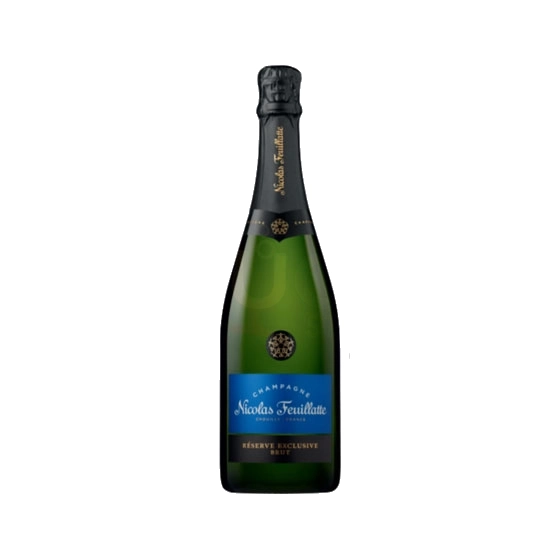 FeaturedNICOLAS FEUILLATTReserve Brut Champagne750 ML$34.99Add to cart
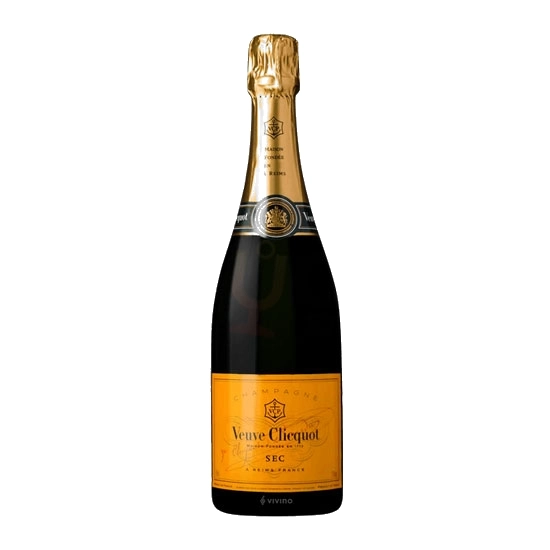 FeaturedVeuve ClicquotYellow Label Champagne1.5 Liter$154.99Add to cart
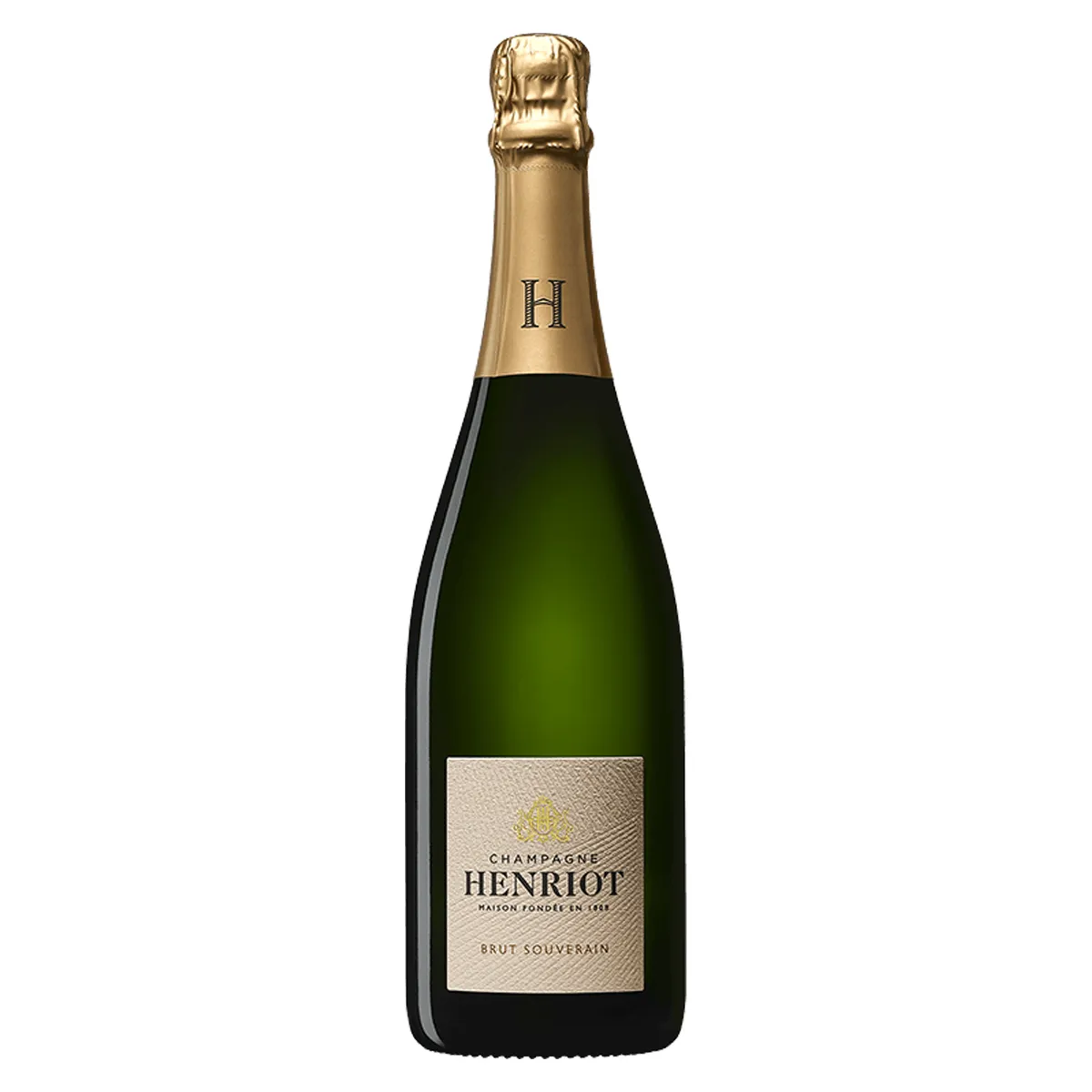 FeaturedHENRIOTBrut Souverain Champage750 ML$44.99Add to cart
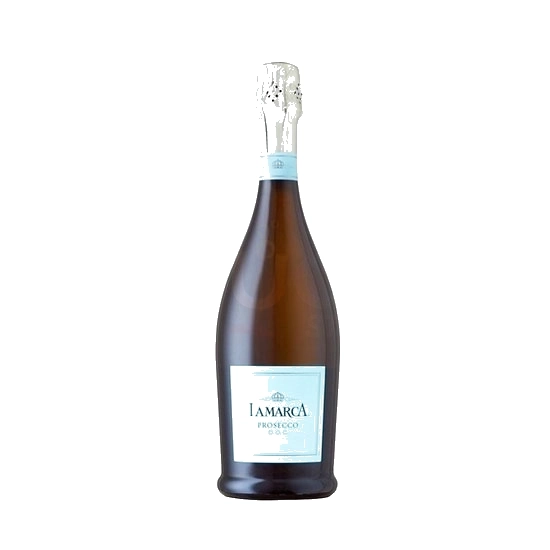 FeaturedLa MarcaProsecco1.5 Liter$26.98Add to cart
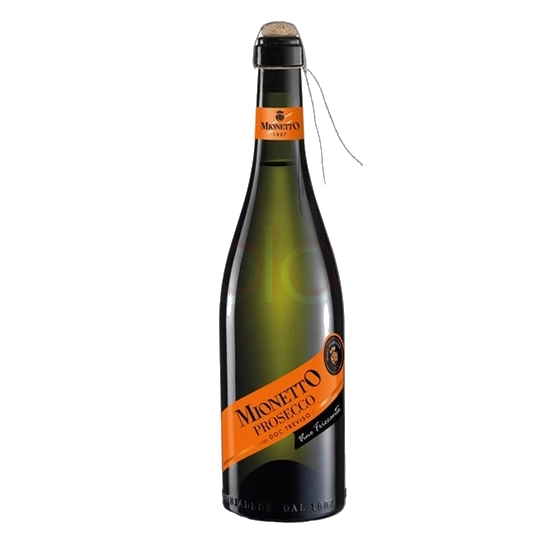 FeaturedMionettoTreviso Prosecco1.5 Liter$17.99Add to cart
 FeaturedVIVEROProsecco3 Pack$14.99Add to cart
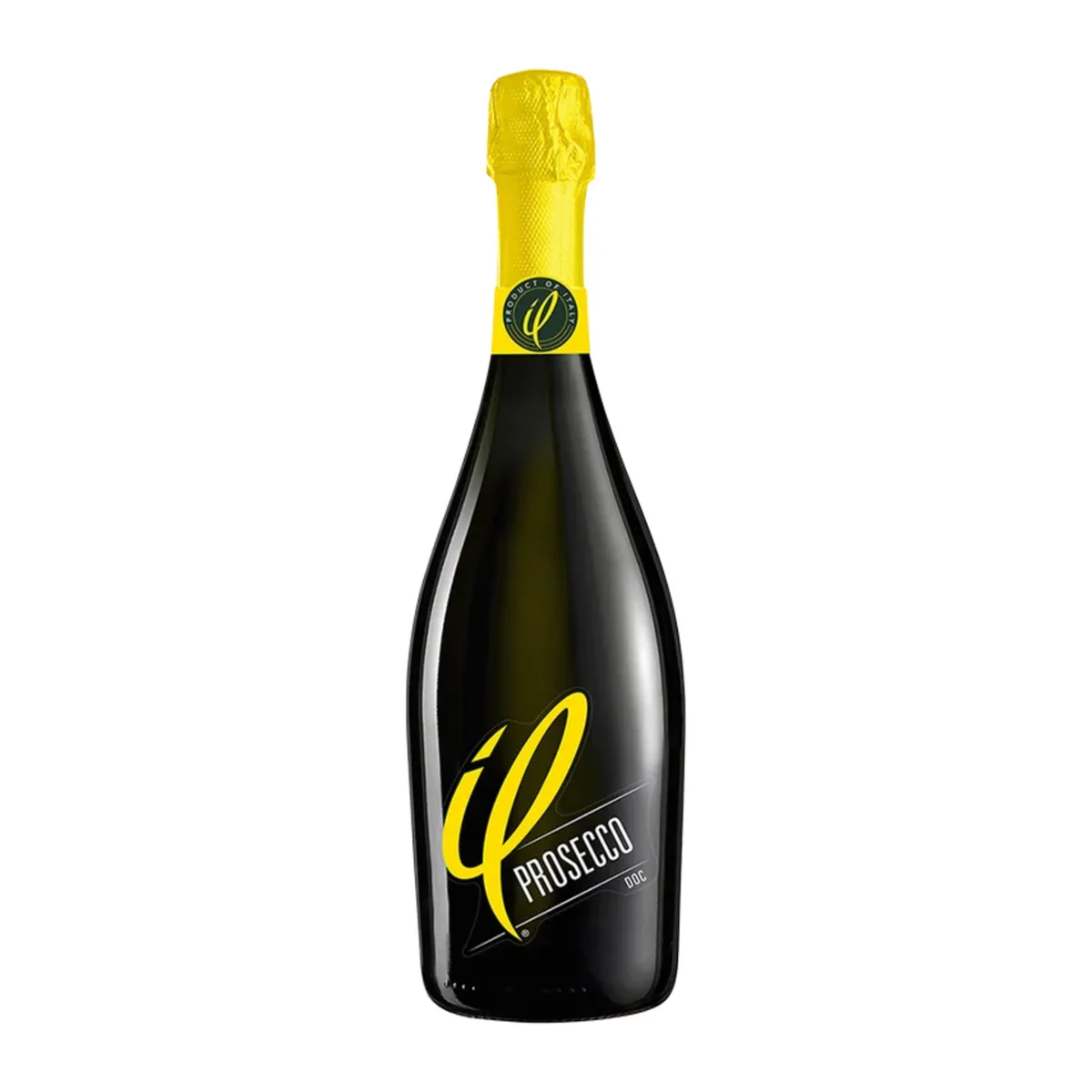 MionettoIL Prosecco750 ML$11.98Add to cart
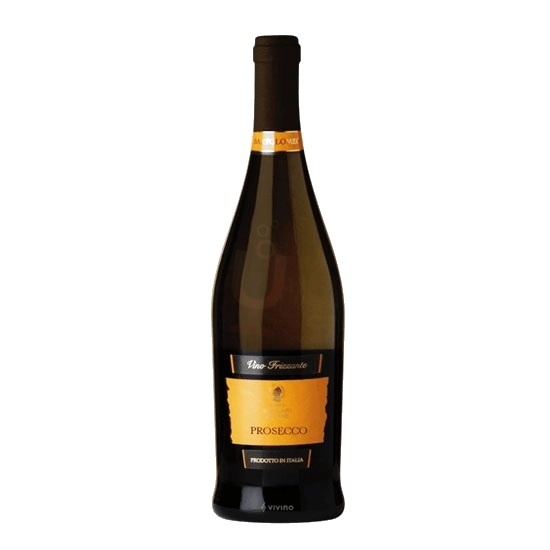 BARTOLOMEOProsecco3 Pack$16.99Add to cart
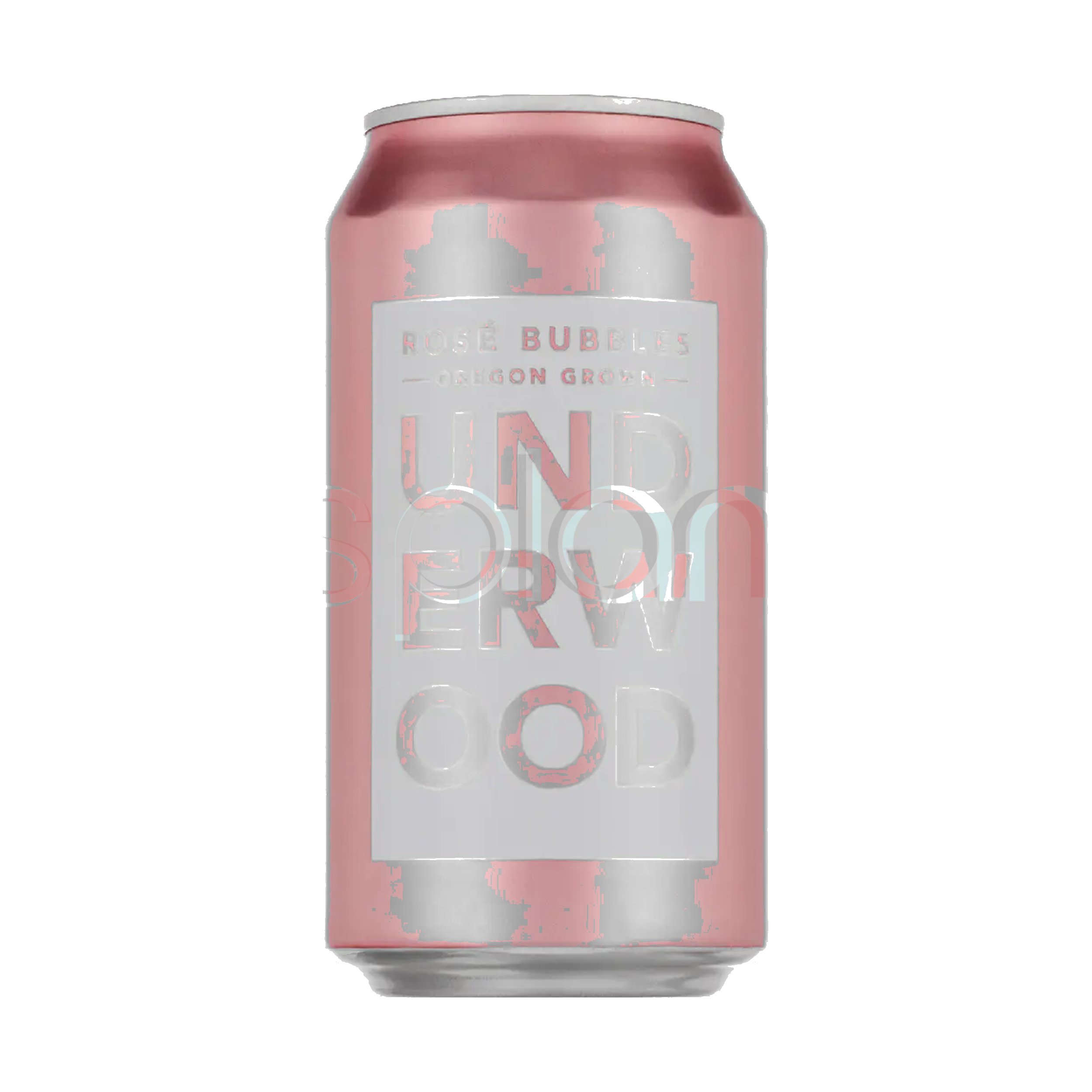 UnderwoodRose Bubbles355 ML$4.99Add to cart
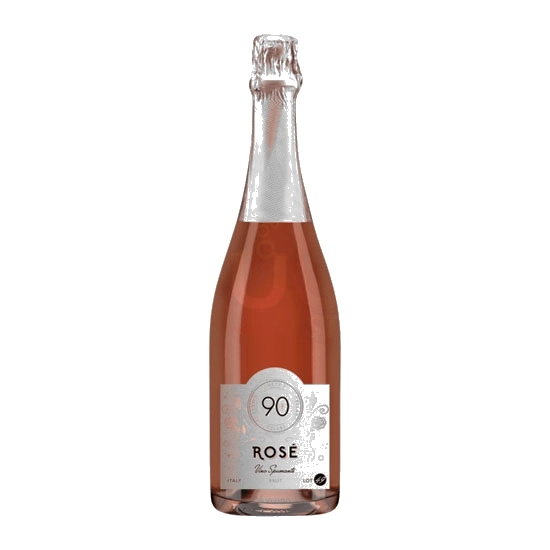 90+ CellarsProsecco Rose LOT 197750 ML$9.99Add to cart
Cava is Spanish sparkling wine, made mostly in Catalonia by the same bottle-fermentation method used for Champagne. CBC Liquors, Westford, at 142 Littleton Rd, has a sparkling wine page to browse, and you can order for pickup, delivery or shipping if a cava is listed.
What is cava, and where can you buy it near Westford?
Cava is a dry-leaning sparkling wine from Spain. Most of it comes from the Penedès region near Barcelona. The bubbles form inside the bottle during a second fermentation, the traditional method also used in Champagne.
If you live around Westford, start with our sparkling wine page. It lists the bottles we carry in that section, and if a cava is listed there, you can order it for pickup, delivery or shipping.
We are at 142 Littleton Rd in Westford. The shop is rated above 4.5 out of 5 from more than 300 Google reviews. If you would rather see the bottles in person, we are open every day. The hours are further down this page.
One note, since people search this a few ways: this page is about cava the wine, not a restaurant. We are a liquor store.
What does cava taste like?
Cava tends to taste crisp and dry, with green apple, lemon, pear and a little toasted bread. Older bottles lean toward nuts and brioche. It has a firm, fine fizz that wakes up the palate without feeling sweet.
The traditional grapes are Macabeo, Xarel·lo and Parellada. Macabeo brings fruit and softness. Xarel·lo adds body and an earthy note. Parellada adds light, floral lift. Chardonnay and Pinot Noir are also allowed, and pink cava is made with red grapes.
The result is a bottle that sits between light and rich. It works as an aperitif, but it also holds up through a meal.
If you like Chardonnay, you already know part of the story. Our Chardonnay page is a fair place to look, since that grape is one of those allowed in cava.
What do the words on a cava label mean?
Two things matter most on the label: sweetness and age.
Sweetness runs from Brut Nature, which is bone dry, through Extra Brut and Brut, to Seco, Semi Seco and Dulce, which taste progressively sweeter. Brut is the style you will see most often, and it suits most tables.
Age is the other clue. Plain cava is aged at least nine months on its lees, the spent yeast left in the bottle. Reserva is aged at least 15 months and Gran Reserva at least 30. The longer the rest, the more bready and savory the wine tastes, and the finer the bubbles feel.
There is no right level. Younger cava is bright and fruity. Older cava is deeper and calmer. Pick the one that matches the table you are setting.
How is cava different from Champagne and prosecco?
Cava is made in Spain, usually from local grapes, by the traditional method. Champagne is made in the Champagne region of France with that same method but different grapes, mainly Chardonnay and Pinot Noir. Prosecco comes from northeastern Italy, mostly from the Glera grape, and its second fermentation happens in a large tank. That gives a lighter, fruitier, softer fizz.
So cava sits closer to Champagne in how it is made and closer to prosecco in how it often tastes: fresh and bright. If you find prosecco too soft and sweet, cava is a natural next step.
If you want to compare the neighbors, we carry Champagne such as NICOLAS FEUILLATT Reserve Brut Champagne, Veuve Clicquot Yellow Label Champagne and HENRIOT Brut Souverain Champage.
For prosecco, look at La Marca Prosecco, Mionetto Treviso Prosecco and VIVERO Prosecco. Tasting a cava next to one of each shows you the differences quickly.
Is cava the same as Champagne?
No. Both are made by the traditional method, with the second fermentation in the bottle, but they come from different countries and different grapes. Champagne can only come from the Champagne region of France. Cava is Spanish, and most of it is made in Catalonia.
The grapes change the taste. Cava leans on Macabeo, Xarel·lo and Parellada, which give apple, citrus and an earthy edge. Champagne leans on Chardonnay and Pinot Noir.
They also serve the same jobs. Both suit a toast, a brunch or a salty snack board. Choose by the taste you like, not by the name on the cork.
What food goes with cava?
Salty, fried and savory food goes best. The acidity and bubbles cut through richness and reset your mouth between bites.
The classic Spanish match is cured ham and aged manchego. Fried calamari, potato chips, croquetas and marcona almonds all work. So does shellfish, from shrimp to oysters. Soft cheeses and creamy pasta also pair well, because the fizz lifts them.
For a brunch table, a dry cava suits eggs, smoked salmon and buttery pastry. A semi seco bottle can handle fruit tarts and lightly sweet desserts, since the wine needs to taste at least as sweet as what you eat with it.
If you are planning a larger spread, our party planner page is a good place to start.
How cold should cava be, and how do you open it?
Serve cava between about 41 and 46 degrees Fahrenheit. A couple of hours in the fridge gets it close. Thirty minutes in a bucket of ice and water does the job faster. Too warm and the bubbles go loose. Too cold and the flavor goes quiet.
To open it, hold the cork with a towel and turn the bottle, not the cork. Let the pressure ease out with a soft sigh instead of a pop. Pour a little first, let the foam settle, then fill the glass about two thirds.
A tulip-shaped glass shows off the aroma better than a wide coupe. Once opened, a sparkler stopper helps keep the fizz for a day or so. Beyond that, the bubbles fade.
How do you order cava from CBC Liquors?
Open the sparkling wine page and look for a cava. If one is listed, you can order it for pickup, delivery or shipping.
If you want a broader look, the wine section covers reds, whites and more, and white wine is a useful neighbor if you like crisp, dry styles.
We have more than 4,500 products across more than 1,800 brands, so the selection changes. Check the page on the day you plan to order.
For delivery terms and shipping details, see our shipping policy.
When can you visit, pick up or get a delivery from CBC Liquors?
Our store hours are Sunday 10:00 AM to 8:00 PM, Monday to Thursday 8:00 AM to 9:00 PM, and Friday and Saturday 8:00 AM to 10:00 PM.
Pickup hours are Sunday 10:00 AM to 8:00 PM, Monday to Thursday 10:00 AM to 9:00 PM, and Friday and Saturday 10:00 AM to 10:00 PM.
Delivery hours are Sunday 10:00 AM to 7:30 PM, Monday to Thursday 10:00 AM to 8:30 PM, and Friday and Saturday 10:00 AM to 9:30 PM.
Beyond Westford, we serve Chelmsford, Carlisle, Littleton, Acton, Tyngsborough, Lowell, Billerica, Boxborough and Dunstable. Our delivery areas page lists every town, including Acton and Chelmsford.
If you want to know more about the shop first, see our store on Littleton Rd.
Common questions
What is cava?
Cava is Spanish sparkling wine, made mostly in Catalonia and the Penedès region near Barcelona. It is made by the traditional method, with the second fermentation in the bottle, the same method used for Champagne.
Is cava the same as Champagne or prosecco?
No. Champagne is French and mainly uses Chardonnay and Pinot Noir. Prosecco is Italian, mostly from Glera, and is fermented in a tank. Cava is Spanish and uses grapes such as Macabeo, Xarel·lo and Parellada.
How cold should cava be served?
Between about 41 and 46 degrees Fahrenheit. A couple of hours in the fridge gets it close.
What are CBC Liquors' pickup and delivery hours?
Pickup is Sunday 10:00 AM to 8:00 PM, Monday to Thursday 10:00 AM to 9:00 PM, and Friday and Saturday 10:00 AM to 10:00 PM. Delivery is Sunday 10:00 AM to 7:30 PM, Monday to Thursday 10:00 AM to 8:30 PM, and Friday and Saturday 10:00 AM to 9:30 PM.
Where is CBC Liquors?
We are at 142 Littleton Rd in Westford, Massachusetts. Store hours are Sunday 10:00 AM to 8:00 PM, Monday to Thursday 8:00 AM to 9:00 PM, and Friday and Saturday 8:00 AM to 10:00 PM.
Is this about the CAVA restaurant?
No. This page is about cava, the Spanish sparkling wine. CBC Liquors is a liquor store in Westford.