Ale is beer brewed with top-fermenting yeast, usually at warmer temperatures, which tends to give fuller, fruitier and often hoppier flavors than a lager. At CBC Liquors in Westford, we carry beer alongside wine, liquor and more, and this guide explains ale in plain terms so you can pick a bottle or can you will enjoy.
What is ale?
Ale is a style of beer made with top-fermenting yeast. That is the whole definition, and it covers a lot of ground: pale ales, IPAs, stouts, porters, wheat beers, Belgian ales, brown ales and many more. If a beer is not a lager, it is almost certainly an ale.
Ale is also one of the oldest ways to make beer. Brewers were making it for centuries before lager came along, and long before anyone knew what yeast was. The word used to mean an unhopped malt drink. Today it just means the yeast and the fermentation, not a single flavor.
At CBC Liquors in Westford, beer is one of the categories we carry, and you can browse all of it on our beer page. If you want a wider look at what is on our shelves, our guide to beer in Westford is a good next stop.
What fermentation process makes a beer an ale?
An ale ferments with top-fermenting yeast, a type of yeast that works best at warmer temperatures, roughly in the range of a cool room rather than a cold cellar. During fermentation these yeasts gather near the top of the vessel, which is where the name comes from.
Warm fermentation moves quickly and gives the yeast room to make aroma compounds called esters. Those are the fruity notes people pick up in an ale: pear, banana, apple, stone fruit, sometimes a little spice. The brewer can lean into that or keep it quiet, depending on the yeast and the temperature.
So when someone says a beer is an ale, they are telling you about the yeast and the fermentation. They are not telling you the color, the strength or how bitter it is. A pale golden ale and a near-black stout are both ales.
Beer we stock
Our best sellers first. In stock now, at today’s prices. Order online for pickup, delivery or shipping.
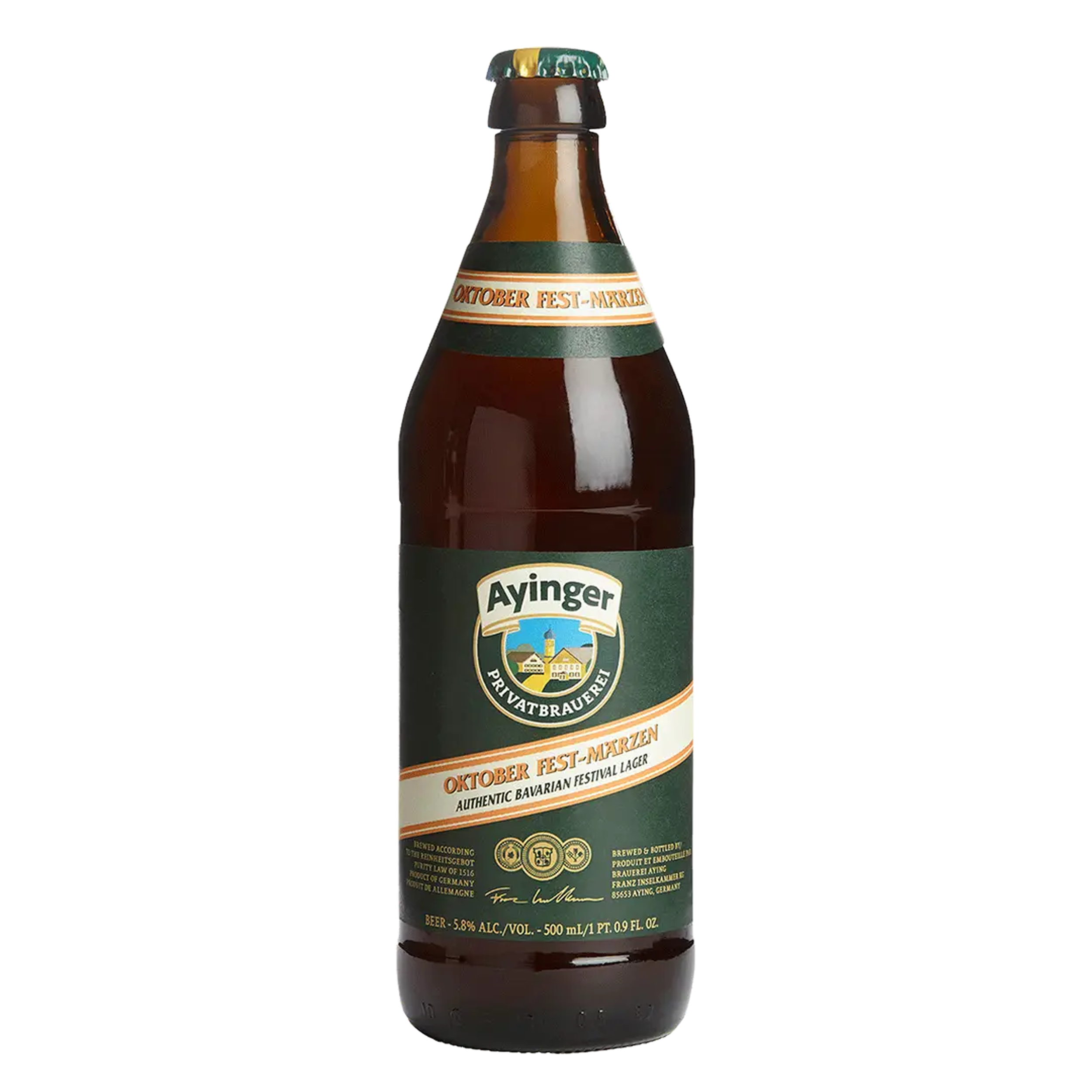
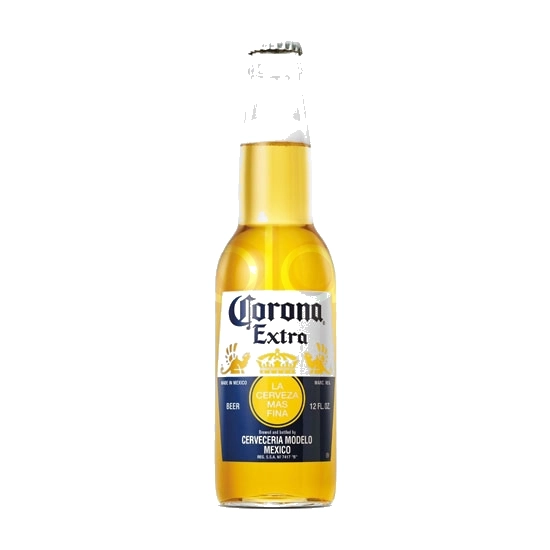
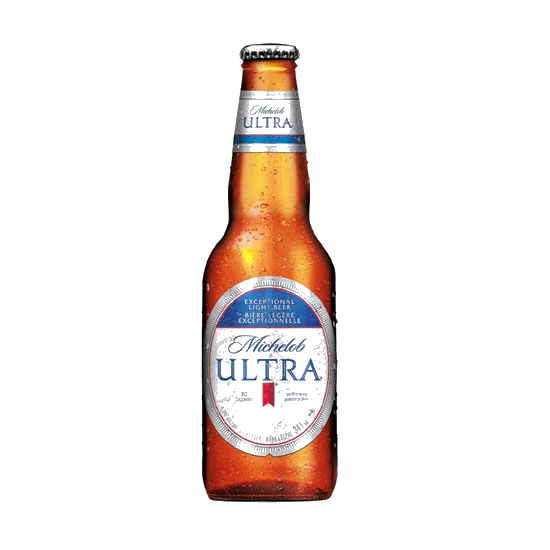
How does ale differ from lager?
The difference is the yeast and the temperature. Ales use top-fermenting yeast at warmer temperatures. Lagers use bottom-fermenting yeast at cooler temperatures, then rest in cold storage for a while. The result is usually a cleaner, crisper lager and a rounder, more flavorful ale.
That is a rule of thumb, not a law. Some ales are light and crisp, and some lagers are rich and malty. A good example is a Märzen, the amber lager traditionally poured at autumn festivals. We carry Ayinger Oktober Fest-Märzen, a lager, if you want to taste the other side of the divide next to an ale.
If you usually drink lager and want to try something new, our lager and easy drinking beer pages are the familiar side of the shelf. An ale is the next step over.
What does ale taste like?
Most ales taste fuller than a lager. You will often notice a little more bitterness, more hop aroma and some fruitiness. Beyond that, the taste depends on the style, so it helps to know the main dials a brewer can turn.
Bitterness comes from hops. A pale ale has some. An IPA has more. A brown ale or a stout may have very little hop bite and taste of toast, coffee or chocolate instead. Fruitiness comes from yeast, and in some ales it is the star. Sweetness comes from malt, the toasted grain that gives an ale its bready, caramel or biscuit notes.
So are ales bitter, hoppy, fruity, sweet or full-bodied? Any of them, and sometimes several at once. A hazy IPA can be juicy and soft with hardly any bite. A Belgian ale can be dry, spicy and fruity. A stout can be roasty and creamy. The word ale does not decide it. The style does.
What are the different ale styles?
There are dozens, but a handful cover most of what you will see on a shelf. Here is a short tour, with the page where you can browse each one.
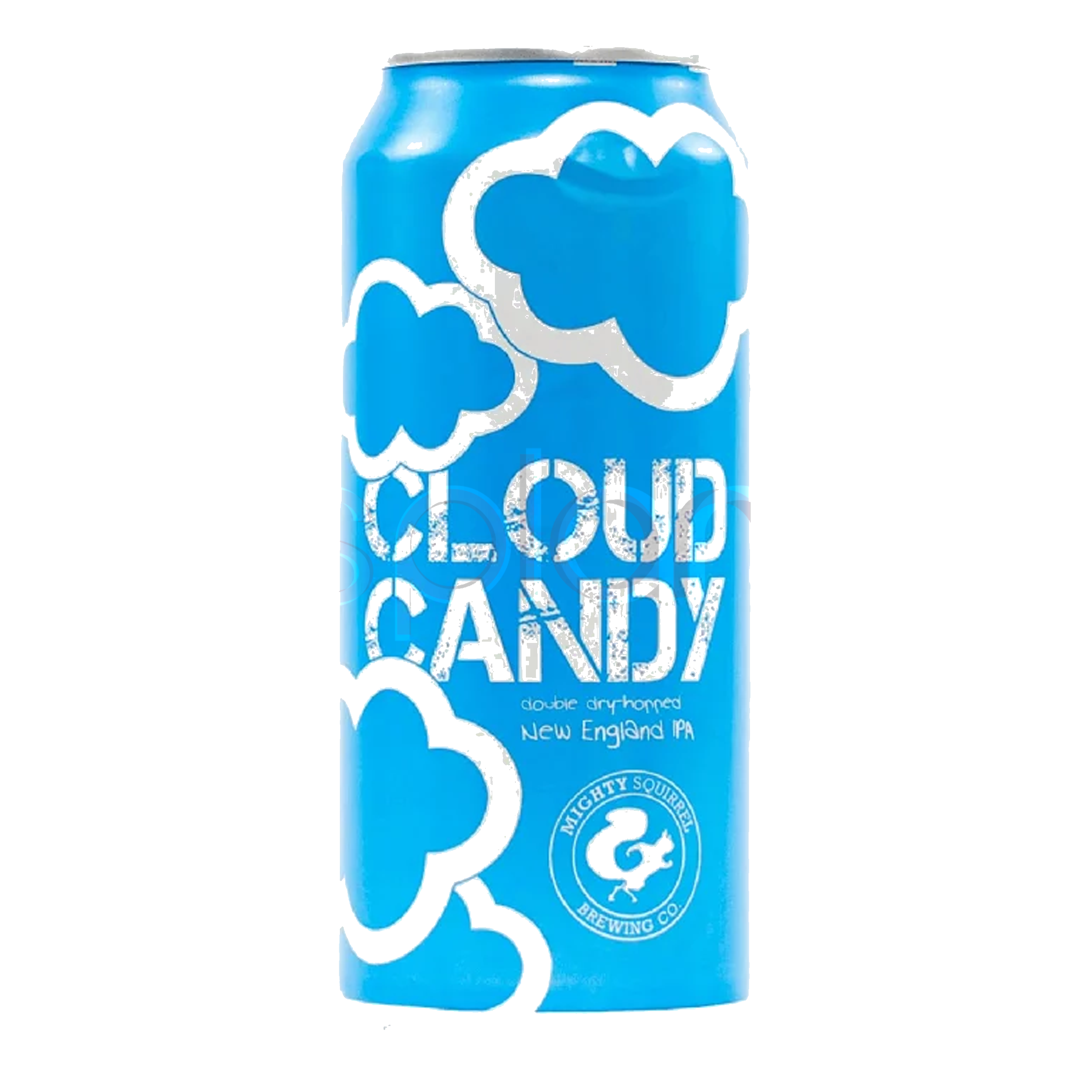
IPA is the hoppy end: bright aroma, noticeable bitterness, often citrus or pine. American IPA tends to be crisp and resinous, while New England IPA tends to be hazy, soft and juicy.
Stout sits at the dark end. Expect roasted malt, coffee and chocolate notes, and often a creamy feel. More broadly, our dark beer page covers the deeper, maltier side of beer.
Belgian style beer brings yeast character forward, with spice, fruit and a dry finish. Sour beer is tart and bright, sometimes fruited. And seasonal beers change through the year, so it is worth a look whenever the weather turns.
How do I choose an ale?
Start with what you already like. If you drink coffee black, try a stout. If you like citrus and grapefruit, try an IPA. If you like a clean, easy beer, look for a pale ale or a lighter style with low bitterness. If you like tart drinks, try a sour.
Next, think about the moment. A bright, hoppy ale suits a warm afternoon or a plate of something salty. A roasty stout suits a cold evening. A Belgian ale works well with food because of its dry finish and spice. These are general pairing ideas, so use them as a starting point, not a rule.
If you are unsure, buy a small mix and compare. Pick two or three styles and taste them side by side. Ask us at the counter, too. Tell us what you drink now and we will point you to something close, then something a step further out. Every drink here is for adults aged 21 and over, and it is always best to enjoy it slowly.
What should I know about ale's body and flavor?
Body is how a beer feels in your mouth: thin and light, medium, or thick and full. Ales run across the whole range. A pale ale is usually light to medium. A stout is often fuller. A hazy IPA can feel soft and almost round, even when the alcohol is not high.
Flavor and body are linked but not the same. A beer can taste bold and still feel light. Another can taste mild and feel heavy. When you read a can, look at the style name first, then the description. Words like crisp, dry and clean point to a lighter feel. Words like creamy, hazy and rich point to a fuller one.
Serve ales a little less cold than a lager. A very cold glass hides the hop aroma and the fruit. A few minutes out of the fridge lets the flavor open up. Pour into a glass if you can. You will smell more of what the brewer put in.
How to get ale from CBC Liquors
You can come into the shop at 142 Littleton Rd in Westford, or use pickup, delivery or shipping. Our store is open Sunday 10:00 AM to 8:00 PM, Monday to Thursday 9:00 AM to 9:00 PM, and Friday and Saturday 9:00 AM to 10:00 PM. Pickup and delivery run on their own hours, which are a little shorter.
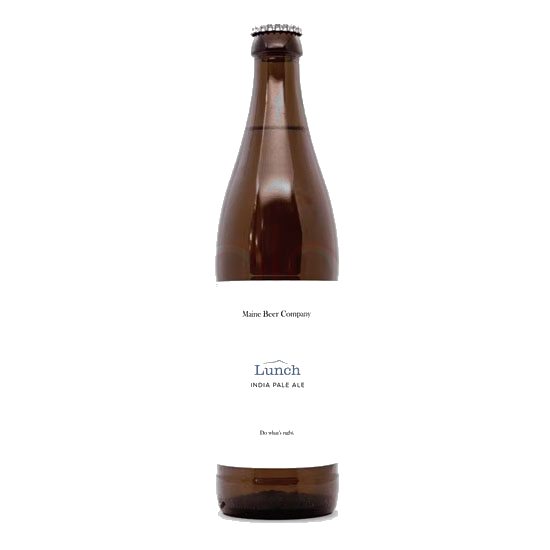
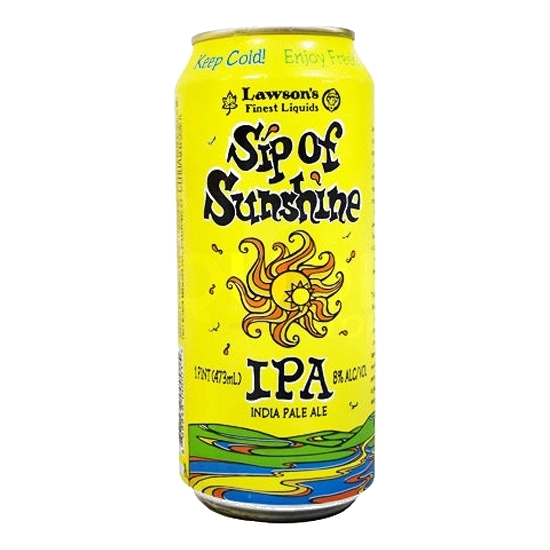
We stock more than 4,600 products from more than 1,800 brands across the shop, and beer is one of the categories we carry. On the beer side you will find makers such as Other Half, Night Shift, Finback and Toppling Goliath. You can also look at MAINE BEER CO Lunch and Lawsons Sip Of Sunshine to see how we list a beer.
We serve Westford and nearby towns, including Chelmsford, Acton, Littleton and Lowell. Customers rate us 4.7 out of 5 across more than 340 Google reviews. Check our Delivery Areas page to see if your town is covered, and check the shelves for what is in stock today.
Common questions
What is ale?
Ale is beer brewed with top-fermenting yeast at warmer temperatures. It includes pale ales, IPAs, stouts, porters, wheat beers and Belgian ales.
How is ale different from lager?
Ale uses top-fermenting yeast at warmer temperatures and often tastes fuller and fruitier. Lager uses bottom-fermenting yeast at cooler temperatures and is usually crisper and cleaner.
Is ale always bitter or hoppy?
No. Bitterness depends on the style. IPAs are hoppy, while brown ales, stouts and some Belgian ales are far less bitter and lean on malt or yeast flavors.
Is a stout an ale?
Yes. Stout is brewed with top-fermenting yeast, so it is a dark ale.
Does CBC Liquors offer pickup or delivery for beer?
CBC Liquors offers pickup, delivery and shipping as well as walk-in shopping. Pickup and delivery have their own hours, so check the delivery areas page for your town.