Cabernet sauvignon is a full-bodied red wine made from a dark-skinned grape, known for black fruit flavors, firm tannins and a dry finish. If you want a bottle now, browse our cabernet sauvignon shelf at CBC Liquors on Littleton Rd in Westford, and read on for how to choose, serve and pair it.
What is cabernet sauvignon?
Cabernet sauvignon is a red wine grape, and also the name of the wine made from it. The grape began as a cross between cabernet franc and sauvignon blanc in southwestern France, and it is now planted in wine regions around the world. It has thick skins and small berries, which is where much of its deep color and firm structure come from.
The wine can be bottled on its own or blended. In Bordeaux it is usually blended with merlot and cabernet franc. In California and many other regions it is often bottled as a single grape, and the label will say cabernet sauvignon in large letters.
Because the grape grows well in many climates, bottles can taste quite different from one another. A cool-climate cabernet tends to lean toward leafy, red-currant notes. A warm-climate one leans toward ripe black fruit. That range is why it is worth looking at more than one bottle before settling on a favorite.
What does cabernet sauvignon taste like?
Most people describe cabernet sauvignon as dry, full-bodied and structured. Typical flavors include blackcurrant, blackberry and black cherry, with notes of cedar, tobacco, vanilla or baking spice that come from aging in oak barrels.
The feature that sets it apart from lighter reds is tannin. Tannins are the compounds from grape skins and seeds that make your mouth feel slightly dry after a sip. In cabernet they are firm and noticeable, which is part of why the wine pairs so well with rich food. Fat and protein soften tannin on the palate.
If you find cabernet too grippy, look for bottles described as soft, smooth or fruit-forward, or ask us at the counter. If you like a wine with weight and grip, a more structured bottle will suit you.
Cabernet Sauvignon we stock
Our best sellers first. In stock now, at today’s prices. Order online for pickup, delivery or shipping.
Which cabernet sauvignon should you start with?
The best first bottle is the one that fits the meal and the people at the table. We carry a range of cabernet sauvignon, and several bottles are a good place to begin.
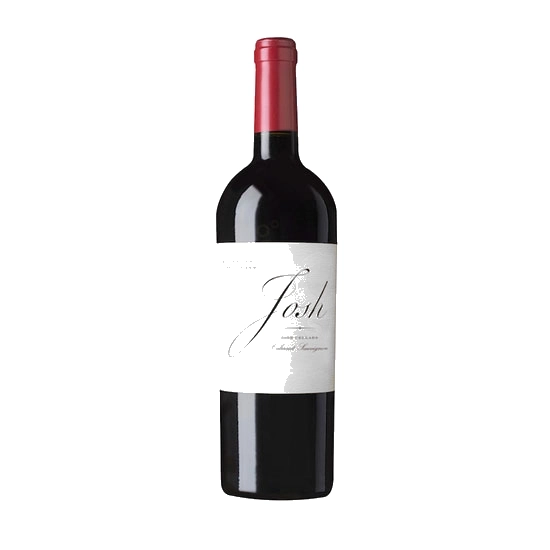
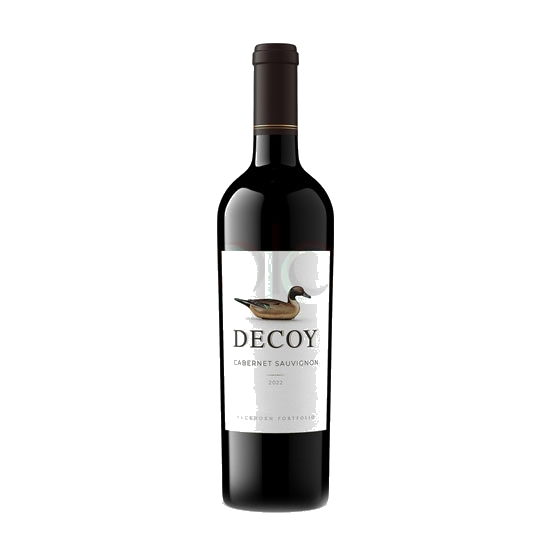
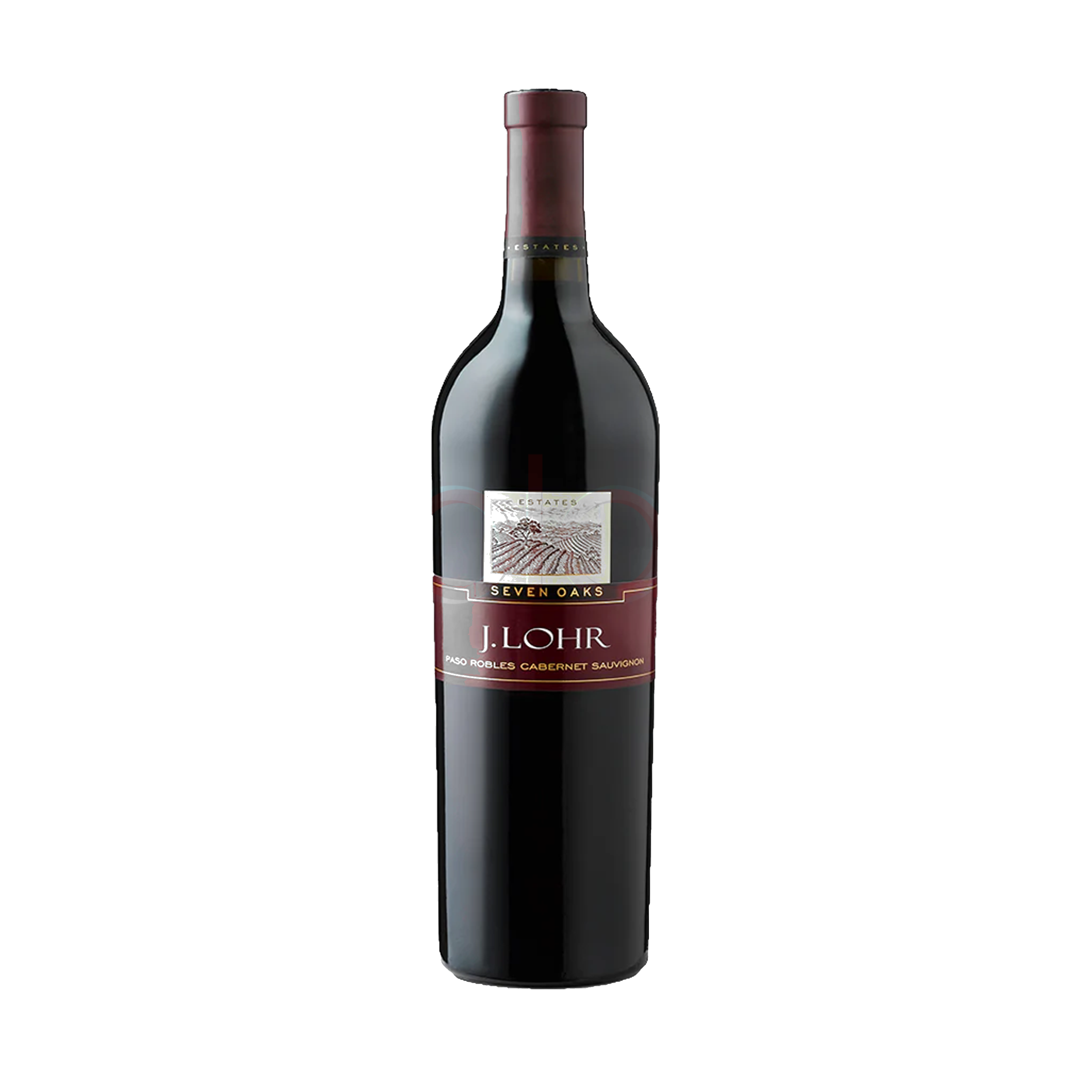
JOSH CELLAR Cabernet Sauvignon and J LOHR Cabernet Sauvignon are two familiar names to try if you want a straightforward everyday red. Decoy Cabernet Sauvignon is another name you may know from the shelf.
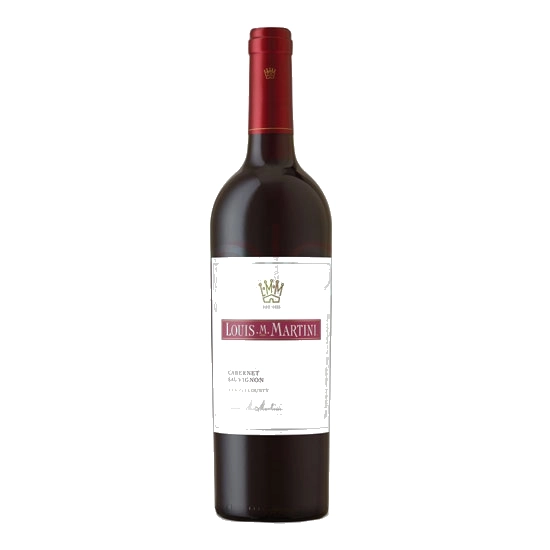
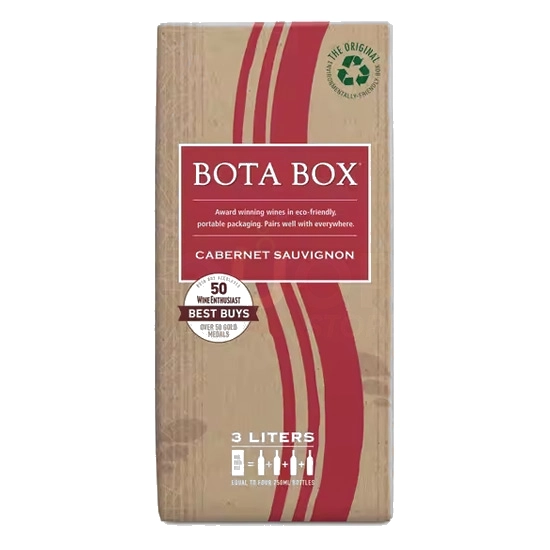
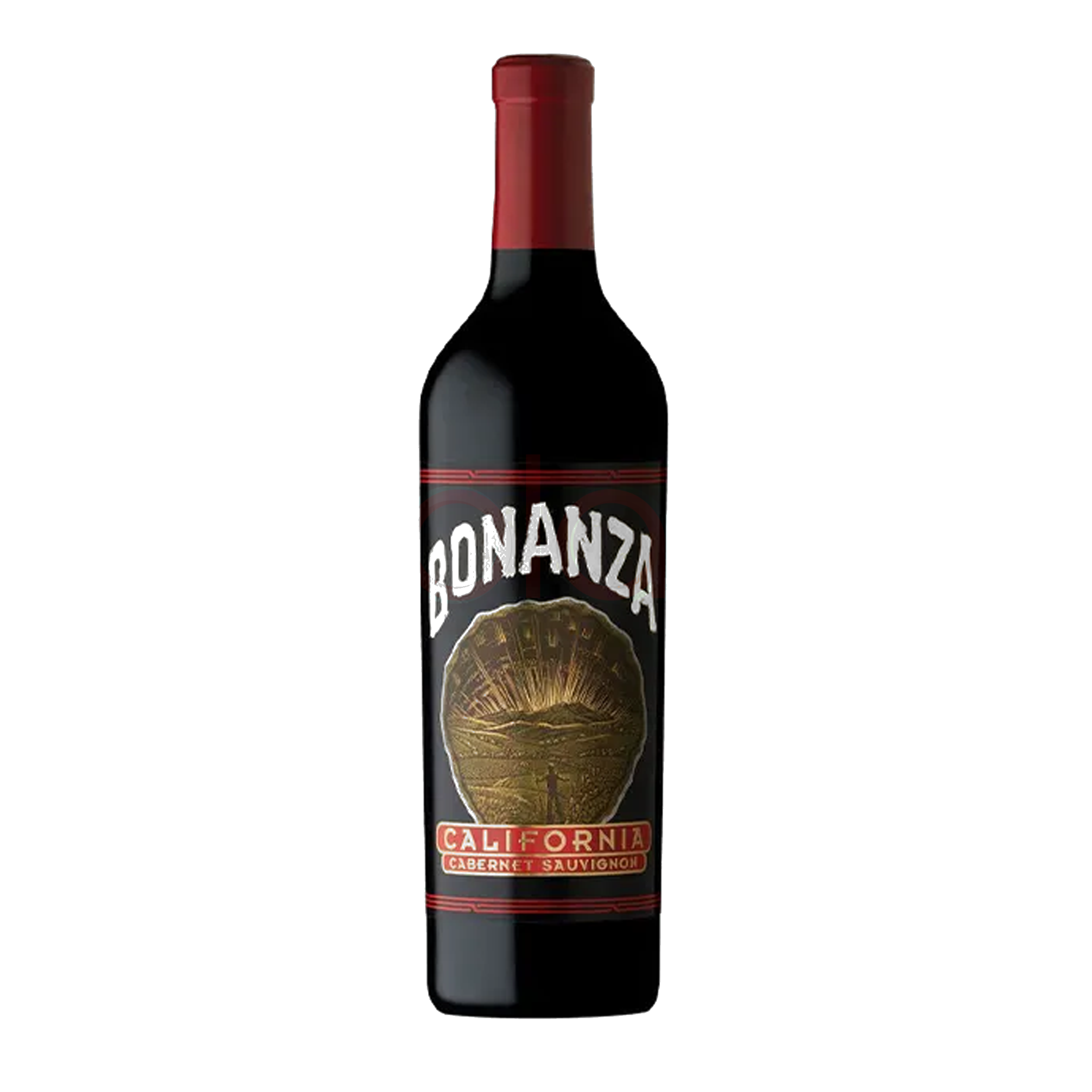
If you want something with more of a special-occasion feel, look at LOUIS MARTINI Prati Cabernet Sauvignon. For a bottle labeled by region, BONANZA CALIFORNIA CABERNET SAUVIGNON tells you where the fruit comes from right in the name. And if you are pouring for a larger group, Bota Box Cabernet Sauvignon is on the shelf as well.
The grape and region on the label are your best clues. A bottle that names a specific vineyard or a smaller area is often more focused. A broader regional label tends to be easier to drink young.
What food goes with cabernet sauvignon?
Cabernet sauvignon is a classic partner for red meat. A grilled steak, a burger, lamb chops or a slow-cooked short rib all work because the protein and fat in the meat soften the wine's tannin and let the fruit come forward.
It also does well with hearty, savory dishes that are not meat at all. Think mushroom-based dishes, roasted vegetables with a bit of char, or a pasta with a rich tomato and sausage sauce. Aged hard cheeses such as cheddar or gouda are a natural match too.
Be careful with delicate fish, light salads and very spicy food. The wine's weight can overwhelm lighter dishes, and heat in food can make the tannin feel sharper. For those meals, a lighter red or a white wine is a better choice. Our white wine shelf is the place to look.
How should you serve and store cabernet sauvignon?
Cabernet is best served slightly below room temperature, around 60 to 65 degrees Fahrenheit. A typical American room is warmer than that, so a short stay in the refrigerator, about 15 to 20 minutes before you pour, can make the wine taste more balanced instead of heavy.
A younger, tannic bottle often improves with air. Opening it 30 minutes to an hour before dinner, or pouring it into a decanter, lets the aromas open up and softens the texture. A large red wine glass gives the wine room to breathe.
For storage, keep bottles on their side in a cool, dark place away from heat and vibration. Most cabernet you buy for dinner this week can sit in a cabinet until you are ready. Once opened, put the cork or cap back in and keep the bottle in the refrigerator; it will usually hold up for a few days.
How is cabernet sauvignon different from merlot, pinot noir and red blends?
Merlot is the closest relative in style. It is typically softer and rounder, with plummy fruit and gentler tannin. If cabernet feels like too much, our merlot selection is a natural next stop.
Pinot noir sits at the other end of the red wine spectrum. It is lighter in color and body, with red cherry and earthy notes and far less tannin. It is a better fit for roast chicken, salmon or mushroom dishes. You can see what we have under pinot noir.
A red blend combines several grapes, and cabernet sauvignon is often one of them. Blends can give you some of cabernet's structure with a smoother feel, so they are a good option when you are buying for a group with mixed tastes. If you want to see the whole range of reds, start from our red wine page.
How can you get cabernet sauvignon from CBC Liquors in Westford?
The simplest way is to come into the shop at 142 Littleton Rd, Westford. We are open Sunday 10:00 AM to 8:00 PM, Monday through Thursday 10:00 AM to 9:00 PM, and Friday and Saturday 10:00 AM to 10:00 PM. If you would rather not wander the aisles, you can order ahead and collect it during the same hours with pickup.
We also offer delivery and shipping. Delivery hours are Sunday 10:00 AM to 7:30 PM, Monday through Thursday 10:00 AM to 8:30 PM, and Friday and Saturday 10:00 AM to 9:30 PM. Our delivery areas page lists the towns we serve, including Chelmsford, Acton, Littleton and Lowell.
The shop carries 4,624 products from 1,893 brands, and customers rate us 4.7 out of 5 across 339 Google reviews. If you are not sure which bottle suits your dinner, tell us what you are cooking and we will point you to a few options on the cabernet shelf. Our post on how a Westford liquor store helps with wine choices explains how that works.
Common questions
Is cabernet sauvignon a dry wine?
Yes. Cabernet sauvignon is made dry, meaning the sugar is fermented out. Ripe fruit flavors can make some bottles seem slightly sweet, but the wine itself is dry.
Should I chill cabernet sauvignon?
Lightly. Serve it a little below room temperature, around 60 to 65 degrees Fahrenheit. Fifteen to twenty minutes in the refrigerator before serving is usually enough.
What is the difference between cabernet sauvignon and merlot?
Cabernet sauvignon is usually firmer, with more tannin and darker fruit. Merlot is typically softer and rounder, with plummy fruit and a smoother finish.
What food pairs best with cabernet sauvignon?
Red meat is the classic pairing, including steak, burgers and lamb. Aged hard cheeses and hearty roasted vegetable or mushroom dishes also work well.
Can I pick up or have cabernet sauvignon delivered from CBC Liquors?
Yes. CBC Liquors offers pickup and delivery, and also shipping. Pickup hours match store hours, and delivery runs on its own hours listed on our site.